Sugammadex is increasingly used as the primary antagonist for rocuronium-induced neuromuscular blockade and has reduced, but not eliminated, residual paralysis. A small but continuing series of reports describes a different failure: adequate recovery of the train-of-four ratio followed by a secondary decline in neuromuscular function, sometimes more than an hour later and occasionally after a recommended dose. Sugammadex encapsulates rocuronium in a 1-to-1 ratio, and binding occurs only in plasma. Sustained reversal therefore depends on the molar relationship between the administered dose and the rocuronium remaining in the body, rather than on the milligram-per-kilogram dose. At or above molar equivalence, no uncaptured rocuronium remains, and recurrence is mechanistically excluded while free sugammadex remains in excess; below equivalence, a free fraction persists whose effect is the product of that fraction and the residual burden. A weight-based dose is fixed, whereas the burden varies, concentrating risk where the burden is large or the dosing weight is small: prolonged infusions and repeated boluses, deep block, advanced age, renal impairment, and ideal-body-weight dosing in obesity. Randomized dose-finding trials reported recurrent block almost exclusively in the lowest-dose groups, and a dosing-weight trial reproduced it by reducing the dose alone. Neither 2023 guideline addresses dosing after prolonged infusion or the duration of subsequent observation. Reported events have occurred up to about 100 minutes after reversal, usually without quantitative monitoring. We propose estimating the burden, dosing above equivalence with a margin for uncertainty, and continuing measurements beyond the first confirmed recovery.
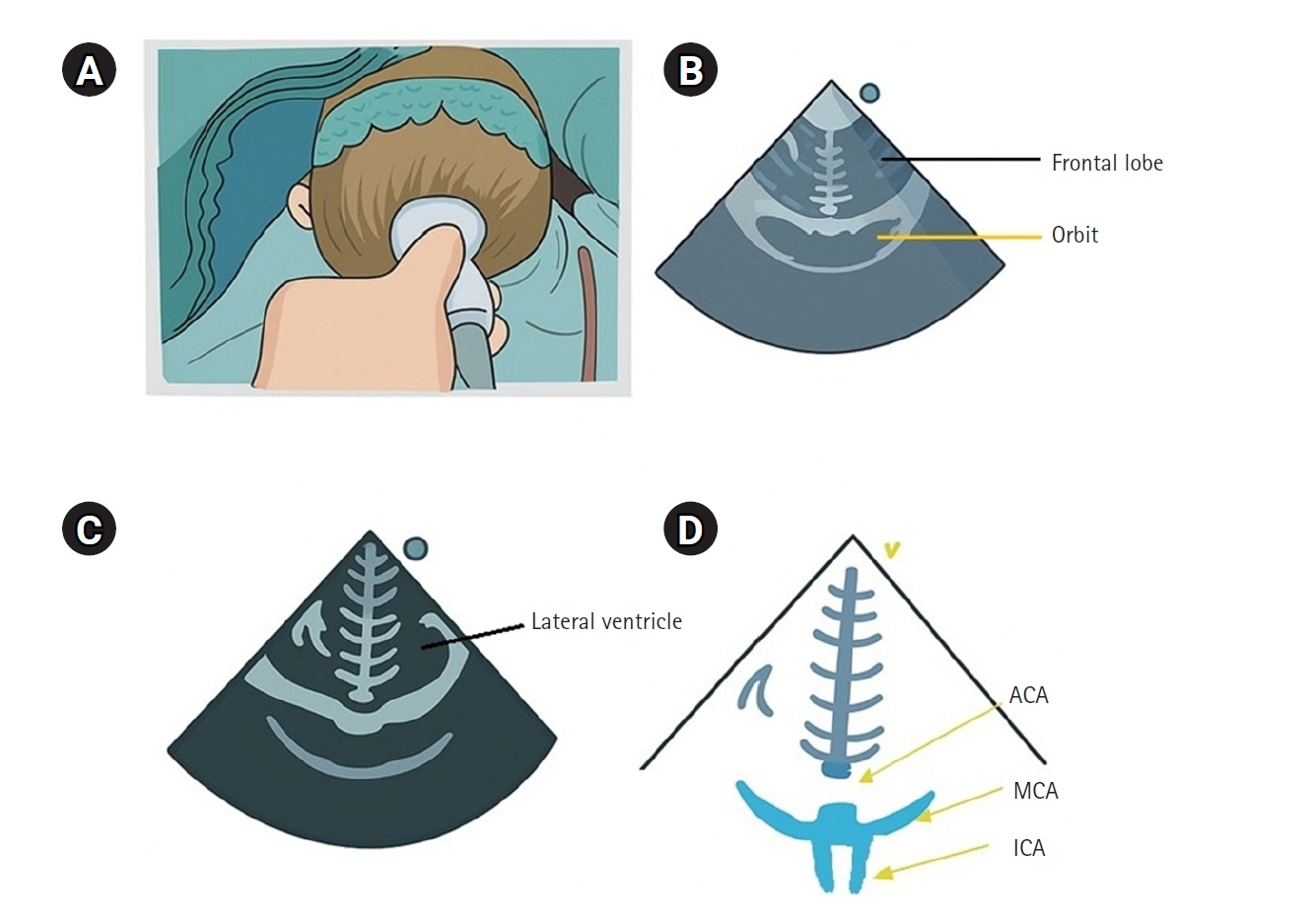
Pediatric anesthesia presents unique challenges due to children’s distinct physiological and anatomical characteristics, including variations in drug metabolism, airway structure, and respiratory and circulatory regulation. Despite significant advances in patient safety that have reduced anesthesia-related mortality over recent decades, the declining pediatric population has made specialized training and clinical practice increasingly difficult. This narrative review addresses practical aspects of pediatric anesthesia, emphasizing patient monitoring, airway management, and recent clinical advances. Oxygen supply targets in children require careful titration to ensure adequate tissue oxygenation while avoiding oxygen toxicity and its associated complications, such as bronchopulmonary dysplasia and retinopathy of prematurity. Quantitative monitoring of neuromuscular blockade, such as with train-of-four stimulation, is essential to prevent postoperative respiratory complications. Temperature monitoring is equally critical in pediatric surgery because children and neonates are highly susceptible to intraoperative hypothermia. Airway management in infants and young children is complicated by anatomical differences, and while video laryngoscopy offers advantages, evidence for its benefits in neonates remains inconclusive. Extubation strategies must be individualized, taking into account risks such as laryngospasm and airway obstruction, as both deep and awake extubation have demonstrated comparable safety profiles. Emerging modalities, such as transfontanelle ultrasonography, provide real-time cerebral blood flow assessment and enhance perioperative brain monitoring. Regional anesthesia techniques in neonates and infants reduce exposure to general anesthetics and facilitate faster recovery but require meticulous technique and monitoring to ensure safety. Multidisciplinary collaboration and effective communication with parents are essential to achieving optimal outcomes.
Citations
Citations to this article as recorded by
The Pediatric Anesthesia Parent Satisfaction (PAPS) Questionnaire: A Focused Review of its Development, Validation, Cross-Cultural Adaptation, and Clinical Utility Seni Potsangbam, Rupesh M Thete, Abdelaziz Yehya, Sanjot Ninave, Tuhin Mistry, Abhijit Nair Cureus.2026;[Epub] CrossRef




 First
 Prev