
• Contact us
  • E-Submission
ABOUT
BROWSE ARTICLES
JOURNAL POLICIES
FOR CONTRIBUTORS

Page Path

18
results for

"Sex"

Filter

Article category

Keywords

Publication year

Authors

"Sex"

Review articles

[English]
Sex differences in the prevalence of common comorbidities in autism: a narrative review
Yoo Hwa Hong, Da-Yea Song, Heejeong Yoo
Ewha Med J 2025;48(1):e79.   Published online January 31, 2025
DOI: https://doi.org/10.12771/emj.2024.e79

Autism spectrum disorder involves challenges in social communication and restricted, repetitive behaviors. Historically, males have received autism diagnoses at comparatively high rates, prompting an underrepresentation of females in research and an incomplete understanding of sex-specific symptom presentations and comorbidities. This review examines sex differences in the prevalence of common comorbidities of autism to inform tailored clinical practices. These conditions include attention deficit hyperactivity disorder, anxiety disorders, conduct disorder, depression, epilepsy, intellectual disability, and tic disorders. Attention deficit hyperactivity disorder is prevalent in both sexes; however, females may more frequently exhibit the inattentive subtype. Anxiety disorders display inconsistent sex differences, while conduct disorder more frequently impacts males. Depression becomes more common with age; some studies indicate more pronounced symptoms in adolescent girls, while others suggest greater severity in males. Epilepsy is more prevalent in females, especially those with intellectual disabilities. Despite displaying a male predominance, intellectual disability may exacerbate the severity of autism to a greater degree in females. No clear sex differences have been found regarding tic disorders. Overall, contributors to sex-based differences include biases stemming from male-centric diagnostic tools, compensatory behaviors like camouflaging in females, genetic and neurobiological differences, and the developmental trajectories of comorbidities. Recognizing these factors is crucial for developing sensitive diagnostics and sex-specific interventions. Inconsistencies in the literature highlight the need for longitudinal studies with large, diverse samples to investigate autism comorbidities across the lifespan. Understanding sex differences could facilitate earlier identification, improved care, and personalized interventions, thus enhancing quality of life for individuals with autism.

Citations

Citations to this article as recorded by  
  • Exploring Sociodemographic, Parental, and Temporal Correlates of Mental Health Disorders in Child and Adolescent Psychotherapy: A Clinic‐Based Investigation
    Esther Richter, Sara Edraki, Elke Humer
    Journal of Child and Adolescent Psychiatric Nursing.2025;[Epub]     CrossRef
  • 10,888 View
  • 96 Download
  • 1 Web of Science
  • 1 Crossref
[English]
Update on sexually transmitted infections in Korea: a narrative review
Chung-Jong Kim
Ewha Med J 2024;47(4):e52.   Published online October 31, 2024
DOI: https://doi.org/10.12771/emj.2024.e52

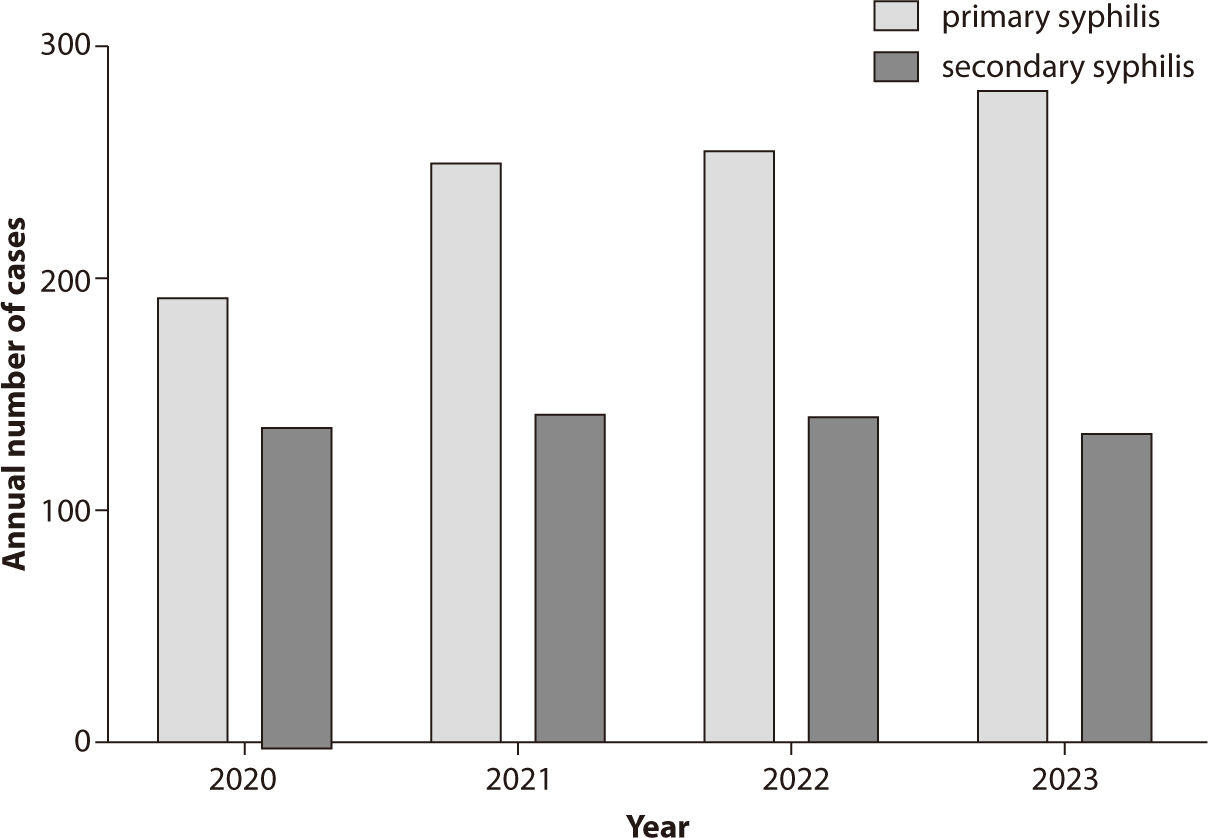
Sexually transmitted infections (STIs) continue to pose significant public health challenges in Korea, with syphilis, gonorrhea, chlamydia, Mycoplasma genitalium, and herpes simplex virus (HSV) being the most prevalent. This review provides an updated overview of the epidemiology, diagnosis, and treatment of these significant STIs in Korea, highlighting recent trends and concerns. Syphilis incidence rates have fluctuated due to changes in surveillance systems. Starting in 2024, syphilis will be reclassified as a nationally notifiable infectious disease (category 2). Gonorrhea remains a concern due to increasing antibiotic resistance, including the emergence of extensively drug-resistant Neisseria gonorrhoeae strains, underscoring the need for vigilant antimicrobial stewardship. Chlamydia continues to be the most commonly reported STI, although its incidence has declined during the COVID-19 pandemic. M. genitalium has gained attention as a significant STI with rising antibiotic resistance issues, necessitating updated treatment guidelines and consideration of resistance testing. HSV-2 remains a common cause of genital herpes, with steady incidence rates reported. Updated diagnostic methods, including nucleic acid amplification tests, and revised treatment guidelines are presented to effectively address these infections. The impact of the COVID-19 pandemic on other STIs within Korea remains unclear, necessitating further research. Changes in treatment guidelines, such as the recommendation of doxycycline as first-line therapy for chlamydia, reflect evolving evidence and resistance patterns. The importance of updated diagnostic tools, including resistance testing for M. genitalium, is emphasized to improve treatment outcomes. Continued efforts in education, prevention, and research are essential to manage and mitigate the impact of STIs on public health in Korea.

Citations

Citations to this article as recorded by  
  • Prevalence and Distribution of Antimicrobial Resistance-Associated Mutations in Mycoplasma genitalium Identified Through Routine Molecular Diagnostics in Korea
    Ho-Jae Lim, Yoon-Taek Hong, Seung-Hui Baek, Min-Young Park, Min-Jin Kim, Yong-Hak Sohn, Yong-Jin Yang
    Microorganisms.2026; 14(3): 665.     CrossRef
  • Secondary syphilis with oropharyngeal and skin lesions confirmed by PCR mimicking chicken pox or mpox in a patient with HIV
    Dong-Min Kim, Do-Yeong Kim, Jun-Won Seo, Da Young Kim, Na Ra Yun, You Mi Lee, Choon-Mee Kim
    Diagnostic Microbiology and Infectious Disease.2025; 112(2): 116765.     CrossRef
  • Epidemiologic Characteristics of 1.4 Million Multiplex PCR Tests for 12 Urogenital and Sexually Transmitted Infection Pathogens in Korea (2021–2024)
    Soyoun Shin
    Pathogens.2025; 14(11): 1073.     CrossRef
  • Comparative Study of the Clinical Characteristics of Patients With Sexually Transmitted Infections Diagnosed by Nucleic Acid Amplification Tests
    Jung Soo Son, Namhee Kim, Hong Sang Oh, Sang Won Park, Dong Hoon Shin
    Journal of Korean Medical Science.2025;[Epub]     CrossRef
  • 26,418 View
  • 65 Download
  • 3 Web of Science
  • 4 Crossref

Original Article

[English]
Effect of body mass index on gastric cancer risk according to sex in Korea: a nationwide cohort study and literature review
Yonghoon Choi, Jieun Jang, Nayoung Kim
Ewha Med J 2024;47(2):e19.   Published online April 30, 2024
DOI: https://doi.org/10.12771/emj.2024.e19

Objectives: Gastric cancer (GC) demonstrates a sex disparity that may also be associated with body mass index (BMI). This study explored whether the effect of BMI on the risk of GC varies by sex.

Methods: The study cohort included 341,999 Koreans aged 40 years or older from the National Health Insurance Service–Health Screening Cohort, with a median follow-up period of 10 years. Participants were categorized into five groups based on their BMI. The effect of BMI was evaluated using Cox proportional hazard regression. Additionally, stratification analysis was performed according to waist circumference.

Results: An increased risk of developing GC was observed across the study population among those with obesity (BMI 25.0–29.9 kg/m2; hazard ratio [HR], 1.11; 95% CI , 1.03–1.20) and severe obesity (BMI ≥30.0 kg/m2; HR, 1.22; 95% CI, 1.01–1.47), considering a 2-year latency period. Notably, the rise in GC risk was particularly pronounced among women with obesity and men with severe obesity. In the age-stratified analysis, severe obesity (BMI ≥30.0 kg/m2) was associated with an increased risk of GC in men under 50 years old (HR, 1.83; 95% CI, 0.99–3.37). For individuals aged ≥50 years, obesity was linked to a heightened risk of GC in both sexes. Furthermore, normal BMI (18.5–22.9 kg/m2) was associated with an increased GC risk in women.

Conclusion: These findings indicate a positive association between excess body weight and the risk of GC in Koreans, particularly among men with severe obesity.

Citations

Citations to this article as recorded by  
  • Sex- and Subsite-Specific Links between Adiposity and Gastric Cancer: Beyond Body Mass Index Alone
    Seung-Joo Nam
    Gut and Liver.2026; 20(2): 161.     CrossRef
  • Gender equity in medicine, artificial intelligence, and other articles in this issue
    Sun Huh
    The Ewha Medical Journal.2024;[Epub]     CrossRef
  • 2,113 View
  • 23 Download
  • 2 Crossref

Review articles

[English]

Neurodevelopmental disorders, which emerge early in development, include a range of neurological phenotypes and exhibit marked differences in prevalence between sexes. A male predominance is particularly pronounced in autism spectrum disorder (ASD). Although the precise cause of ASD is still unknown, certain genetic variations and environmental influences have been implicated as risk factors. Preclinical ASD models have been instrumental in shedding light on the mechanisms behind the sexual dimorphism observed in this disorder. In this review, we explore the potential processes contributing to sex bias by examining both intrinsic differences in neuronal mechanisms and the influence of external factors. We organize these mechanisms into six categories: 1) sexually dimorphic phenotypes in mice with mutations in ASD-associated genes related to synaptic dysfunction; 2) sex-specific microglial activity, which may disrupt neural circuit development by excessively pruning synapses during critical periods; 3) sex steroid hormones, such as testosterone and allopregnanolone, that differentially influence brain structure and function; 4) escape from X chromosome inactivation of the O-linked-N-acetylglucosamine transferase gene in the placenta; 5) sexually dimorphic activation of the integrated stress response pathway following maternal immune activation; and 6) immunological responses that are differentially regulated by sex. Understanding these mechanisms is essential for deciphering the underlying causes of ASD and may offer insights into other disorders with notable sex disparities.

Citations

Citations to this article as recorded by  
  • Environmental enrichment partially rescues neurodevelopmental milestone delays in the prenatal VPA rat model of autism spectrum disorders
    Oussama Duieb, Ayoub Rezqaoui, Soufiane Boumlah, Laila Ibouzine-Dine, Hasnaa Mallouk, Soumia Ed-Day, Aboubaker Elhessni, Abdelhalem Mesfioui
    Behavioural Brain Research.2026; 500: 116003.     CrossRef
  • 3,556 View
  • 33 Download
  • 2 Web of Science
  • 1 Crossref
[English]
Sex differences in metabolic dysfunction-associated steatotic liver disease: a narrative review
Sae Kyung Joo, Won Kim
Ewha Med J 2024;47(2):e17.   Published online April 30, 2024
DOI: https://doi.org/10.12771/emj.2024.e17

Understanding the effects of sex and sex differences on liver health and disease is crucial for individualized healthcare and informed decision-making for patients with liver disease. The impact of sex on liver disease varies according to its etiology. Women have a lower prevalence of metabolic dysfunction-associated steatotic liver disease (MASLD) than men. However, postmenopausal women face a higher risk of advanced liver fibrosis due to hormonal influences. Sex differences affect the pathogenesis of MASLD, which involves a complex process involving several factors such as hormones, obesity, and the gut microbiome. Furthermore, sex-related differences in the development of MASLDrelated hepatocellular carcinoma have been observed. The sex-specific characteristics of MASLD necessitate an individualized management approach based on scientific evidence. However, research in this area has been lacking. This article reviews the current understanding of sex differences in MASLD.

Citations

Citations to this article as recorded by  
  • Associations between steatotic liver disease subtypes and incident diabetes in young Korean adults: A nationwide cohort study
    Goh Eun Chung, Su Jong Yu, Jeayeon Park, Yoon Jun Kim, Jung‐Hwan Yoon, Kyungdo Han, Eun Ju Cho
    Diabetes, Obesity and Metabolism.2026; 28(3): 1947.     CrossRef
  • Unveiling the Burden of Steatotic Liver Disease: Mortality Risks by Subtype and Fibrosis Stage in a Nationwide Cohort
    Qi Feng, Pinelopi Manousou, Chioma N. Izzi‐Engbeaya, Rohit Loomba, Mark Thursz, Mark Woodward
    Liver International.2026;[Epub]     CrossRef
  • Predictive factors of metabolic dysfunction associated steatotic liver disease (MASLD) among individuals with cardio-metabolic risk factors, multicenter cross-sectional study, North East Ethiopia
    Getachew Bizuneh Aydagnuhm, Aklile Semu Tefera, Gebru Tesfaw Getahun, Ermiyas Endewunet Melaku
    BMC Gastroenterology.2026;[Epub]     CrossRef
  • The association between liver fat content and plasma metabolite profiles in fasting and postprandial states: an integration of a cohort study and a randomized controlled trial
    Yan Fang, Renée de Mutsert, Anouk Gijbels, Keyong Deng, Hildo Lamb, Frits R. Rosendaal, Dennis O. Mook-Kanamori, Ko Willems van Dijk, Lydia A. Afman, Ruifang Li-Gao
    Cardiovascular Diabetology.2026;[Epub]     CrossRef
  • Hepatocyte Models for Metabolic Dysfunction-Associated Steatotic Liver Disease: A Comparative Analysis of Non-HepG2 Cell Models
    Anna Kotlyarova, Stanislav Kotlyarov
    International Journal of Molecular Sciences.2026; 27(10): 4453.     CrossRef
  • Type 2 diabetes, sex and metabolic dysfunction-associated steatotic liver disease
    Amedeo Lonardo, Mohamad Jamalinia, Ralf Weiskirchen
    World Journal of Diabetes.2026;[Epub]     CrossRef
  • Emerging Therapeutic Perspectives in Obese Patients with MASLD Leading to Compensated Advanced Chronic Liver Disease
    Roberta Chianetta, Lydia Giannitrapani, Alessio Giuseppe Lipari, Assunta Brunone, Claudia Cannizzo, Roberto Citarrella, Maurizio Soresi, Antonio Liguori, Nadia Panera, Filomena Morisco, Luca Miele, Anna Licata
    Biomolecules.2026; 16(6): 797.     CrossRef
  • KASL clinical practice guidelines for the management of metabolic dysfunction-associated steatotic liver disease 2025
    Won Sohn, Young-Sun Lee, Soon Sun Kim, Jung Hee Kim, Young-Joo Jin, Gi-Ae Kim, Pil Soo Sung, Jeong-Ju Yoo, Young Chang, Eun Joo Lee, Hye Won Lee, Miyoung Choi, Su Jong Yu, Young Kul Jung, Byoung Kuk Jang
    Clinical and Molecular Hepatology.2025; 31(Suppl): S1.     CrossRef
  • MASLD: Prevalence, Mechanisms, and Sex-Based Therapies in Postmenopausal Women
    Ilaria Milani, Marianna Chinucci, Frida Leonetti, Danila Capoccia
    Biomedicines.2025; 13(4): 855.     CrossRef
  • Sex and gender disparities in hepatocellular carcinoma: insights into risk, diagnosis, and therapeutic outcomes
    Tu Tuan Tran, Huy The Be, Khanh Dinh Hoang, Hoang Duc Dong
    Clinical and Translational Oncology.2025; 27(12): 4301.     CrossRef
  • Curcumin for Inflammation Control in Individuals with Type 2 Diabetes Mellitus and Metabolic Dysfunction-Associated Steatotic Liver Disease: A Randomized Controlled Trial
    Metha Yaikwawong, Laddawan Jansarikit, Siwanon Jirawatnotai, Somlak Chuengsamarn
    Nutrients.2025; 17(12): 1972.     CrossRef
  • Mediation analysis of the molecular phenotypes in a severe MASH-like liver injury mouse model
    Zhuolin Song, Volodymyr P Tryndyak, Rose A Willett, Igor P Pogribny, Ivan Rusyn, Fred A Wright
    Toxicological Sciences.2025; 208(1): 155.     CrossRef
  • Association between dairy consumption and metabolic dysfunction-associated steatotic liver disease among Korean adults: Evidence from the prospective health examinees cohort
    Wuttyi Khaing, Uyangamaa Nyamsuren, Sangah Shin
    Nutrition Research.2025; 144: 38.     CrossRef
  • Association Between Metabolic Dysfunction–Associated Steatotic Liver Disease (MASLD) and Short-Term Progression of Carotid Atherosclerosis Among Early Middle Age Adults
    Wenjing Xiao, Xinghe Sun, Hui Lv, Xiaohui Liu, Jihong Zhu
    Diabetes, Metabolic Syndrome and Obesity.2025; Volume 18: 4535.     CrossRef
  • The Prevalence of Liver Enzyme Abnormalities Among Adult Patients with Non-Communicable Diseases in Rwanda: A Gender-Stratified Analysis
    Noa Tuyikurikire, Emmanuel Tuyizere, Janvier Imanishimwe, Aime Ahishakiye, Happy Jean Bosco Asifiwe, Emmanuel Rubayiza, James Gafirita, Herbert Mapira, Augustin Nzitakera, Araya Wasihun, Cuthbert Musarurwa
    Hepatic Medicine: Evidence and Research.2025; Volume 17: 199.     CrossRef
  • Implication of the Androgen Receptor in Muscle–Liver Crosstalk: An Overlooked Mechanistic Link in Lean-MASLD
    Eleni Myrto Trifylli, Christiana Charalambous, Nikolaos Spiliotopoulos, Nikolaos Papadopoulos, Anastasia Oikonomou, Spilios Manolakopoulos, Melanie Deutsch
    Livers.2025; 5(4): 65.     CrossRef
  • Sex and gender differences in MASLD: pathophysiological mechanisms, clinical implications, and future directions
    Mohamad Jamalinia, Samira Saeian, Nima Nikkhoo, Amirhossein Nazerian, Kamran Bagheri Lankarani
    Metabolism and Target Organ Damage.2025;[Epub]     CrossRef
  • High-Sensitivity C-Reactive Protein Levels in Metabolic Dysfunction-Associated Steatotic Liver Disease (MASLD), Metabolic Alcohol-Associated Liver Disease (MetALD), and Alcoholic Liver Disease (ALD) with Metabolic Dysfunction
    Seong-Uk Baek, Jin-Ha Yoon
    Biomolecules.2024; 14(11): 1468.     CrossRef
  • 6,381 View
  • 78 Download
  • 5 Web of Science
  • 18 Crossref
[English]

This review aims to highlight the importance of research on structural, functional, molecular-biological, and disease-specific sex differences in the brain, and to examine current bibliometric indicators related to research on sex differences. The Web of Science Core Collection was searched for related articles from 2010 to 2023. Structural and functional brain differences according to sex, including variations in communication patterns between hemispheres, may play a role in mental disorders. Sex differences in neurotransmitters such as serotonin, dopamine, and γ-aminobutyric acid contribute to disparities in mental health, addiction, and neurodevelopmental conditions. Neurodevelopmental disorders such as autism spectrum disorder and schizophrenia exhibit sex-based differences in prevalence, symptoms, brain changes, and neurotransmitter disruptions under hormonal influence. There is a growing body of research on depression, adolescence, the hippocampus, the amygdala, and cognition, highlighting the importance of considering sex/gender factors. Recent studies on sex differences in brain diseases have identified variations in brain structure, function, and neurophysiological substances, as well as in hormones and genes between the sexes. The incidence of psychiatric disorders such as autism spectrum disorder, depression, anxiety, and Alzheimer’s disease is increasingly being linked to sex differences, and the need for research into the mechanisms underlying these differences is gaining recognition. However, there remains a significant gap in sex-specific neuroscience research related to the diagnosis, treatment, prevention, and management of these conditions. Advancing inclusive research will require comprehensive training, a consensus on methodology, diverse perspectives through collaborative frameworks, governmental/institutional support, and dedicated funding to create suitable research environments and implementation strategies.

Citations

Citations to this article as recorded by  
  • The impact of sex/gender-specific funding and editorial policies on biomedical research outcomes: a cross-national analysis (2000–2021)
    Heajin Kim, Jinseo Park, Sejung Ahn, Heisook Lee
    Scientific Reports.2024;[Epub]     CrossRef
  • 16,007 View
  • 92 Download
  • 1 Crossref
[English]
Sex differences in coronary atherogenesis: a narrative review
Hack-Lyoung Kim
Ewha Med J 2024;47(2):e15.   Published online April 30, 2024
DOI: https://doi.org/10.12771/emj.2024.e15

Coronary artery disease (CAD) remains the leading cause of mortality worldwide, driven primarily by atherogenesis. Recent efforts to understand sex differences in CAD have revealed distinct patterns in disease burden, risk factors, and clinical presentations. This review examines these sex differences in CAD, underscoring the importance of customized diagnostic and management strategies. Although men typically have higher rates of CAD prevalence and incidence, women face unique challenges, such as delayed diagnosis, atypical symptoms, and lower rates of medication prescription. Hormonal, genetic, and lifestyle factors all play a role in these disparities, with estrogen notably reducing CAD risk in women. Nontraditional risk factors, including chronic inflammation, psychological stress, socioeconomic status, and reproductive history, also contribute to CAD development and are often neglected in clinical settings. Addressing these differences requires increased awareness, more accurate diagnosis, and equitable healthcare access for both sexes. Furthermore, greater inclusion of women in CAD research is essential to better understand sex-specific mechanisms and optimize treatment outcomes. Personalizing CAD management based on sex-specific knowledge has the potential to improve prognosis and decrease disease incidence for both men and women.

Citations

Citations to this article as recorded by  
  • Diagnostic Performance of a Novel AI–Guided Coronary Computed Tomography Algorithm for Predicting Myocardial Ischemia (AI-QCTISCHEMIA) Across Sex and Age Subgroups
    Putri Annisa Kamila, Tara Hojjati, Nick S. Nurmohamed, Ibrahim Danad, Yipu Ding, Ruurt A. Jukema, Pieter G. Raijmakers, Roel S. Driessen, Michiel J. Bom, Pepijn van Diemen, Gianluca Pontone, Daniele Andreini, Hyuk-Jae Chang, Richard J. Katz, Andrew D. Cho
    Journal of the Society for Cardiovascular Angiography & Interventions.2026; 5(2): 104064.     CrossRef
  • Factors associated with all-cause mortality in endovascularly treated patients with chronic limb-threatening ischemia
    Mária Rašiová, Veronika Pavlíková, Marek Hudák, Viktor Kožár, Lucia Dekanová
    Frontiers in Epidemiology.2026;[Epub]     CrossRef
  • Trends in Sepsis-Associated Respiratory Disease Mortality in the United States, 1999 to 2023
    Qais Bin Abdul Ghaffar, Khawaja Omar, Zoha Khan, Talha Adil, Mujtaba Azhar Siddiqui, Arbab Burhanuddin Kasi, Imran Khawaja
    Journal of Intensive Care Medicine.2026;[Epub]     CrossRef
  • High-Sensitivity C-reactive Protein as a Predictive Biomarker of Coronary Artery Disease Severity: A Cross-Sectional Study in Bangladesh
    Md. Maruf-Ur- Rahman, Md. Rafiqul Islam, Wazeda Begum, Md. Musaddequl Alam, Md. Fakhrul Islam Khaled, A. H. M. Golam Kibria
    Cureus.2026;[Epub]     CrossRef
  • Higher Dietary Antioxidant Index Is Associated with Better Lipid Profile in Women with Coronary Artery Disease
    Mariana Moya-García, Wendy Campos-Pérez, Mariana Pérez-Robles, Sissi Godínez-Mora, Sarai Citlalic Rodríguez-Reyes, Liliana Estefanía Ramos-Villalobos, Erika Martínez-López
    Healthcare.2026; 14(8): 1085.     CrossRef
  • Difference of Coronary Artery Disease in Women and Men in Recent Trials
    Geetha Subramanian, Pavithra Muthusamy, Thiagarajan Kaliyamurthy, Manohar Ganesan
    Indian Journal of Cardiovascular Disease in Women.2025; 10: 131.     CrossRef
  • Mortality patterns of coronary artery diseases and atrial fibrillation in adults in the United States from 1999 to 2022: An analysis using CDC WONDER
    Muzamil Akhtar, Muhammad Hamza Dawood, Muheem Khan, Muhammad Raza, Mehmood Akhtar, Sultana Jahan, Matthew Bates, Aneesh Challa, Raheel Ahmed, Abdul Khaliq Naveed, Yasar Sattar
    The American Journal of the Medical Sciences.2025; 370(1): 59.     CrossRef
  • Interaction between triglyceride-glucose-body mass index and age in coronary artery stenosis severity: a sex-stratified exploratory analysis​
    Pingxiong Zeng, Jingdan Deng, Yuting Zhong, Liping Zhong, Yuanjun Zhou, Yilin Liao, Zhiyan Xu
    BMC Cardiovascular Disorders.2025;[Epub]     CrossRef
  • Trends and Disparities in Mortality due to Diabetes Mellitus and Sepsis in the US Adults: 1999–2023
    Asad Gul Rao, Sufyan Shahid, Neha Pervez, Ramsha Pervez, Raheel Ahmed
    Endocrinology, Diabetes & Metabolism.2025;[Epub]     CrossRef
  • A Multi-Biomarker Approach to Increase the Accuracy of Diagnosis and Management of Coronary Artery Disease
    Lenka Hostačná, Jana Mašlanková, Dominik Pella, Beáta Hubková, Mária Mareková, Daniel Pella
    Journal of Cardiovascular Development and Disease.2024; 11(9): 258.     CrossRef
  • 9,333 View
  • 117 Download
  • 10 Crossref
[English]
Health of Korean sexual and gender minorities: a narrative review of quantitative studies
Heesung So, Ssirai Kim, Sun Young Lee
Ewha Med J 2024;47(2):e14.   Published online April 30, 2024
DOI: https://doi.org/10.12771/emj.2024.e14

This study reviewed quantitative research on the health of sexual and gender minorities (SGMs) in Korea and aimed to propose a role for healthcare professionals in improving their health and access to medical care. We searched PubMed through February 29, 2024 for articles published since 2000, using terms related to SGMs and the keyword “Korea.” This process yielded 33 quantitative studies on Korean SGMs. Of these, 17 focused on sexual minorities and 16 on gender minorities. The findings indicate that Korean SGMs experience many symptoms of depression and anxiety, as well as high rates of suicidal ideation, planning, and attempts. They also report diminished health-related quality of life. SGM individuals who have faced discrimination or pressure to change their sexual or gender identity face an elevated risk of mental health issues. To improve the health of Korean SGMs and improve their access to healthcare, we recommend several approaches. First, more research on the health of Korean SGMs is necessary. Second, education and training programs for health professionals are essential to promote their understanding of SGM health issues and their advocacy for SGM health. Third, strategies are required to develop and implement program interventions that improve SGM health, such as increasing the availability of gender-affirming care, which is known to benefit the health of transgender and gender-diverse individuals. Finally, healthcare professionals should actively advocate for SGM health and call for shifts in public perception and institutional change, grounded in a broad understanding of SGMs and their health needs.

Citations

Citations to this article as recorded by  
  • Which social support network matters? dating violence, internalised homophobia, and self-concealment among South Korean LGB individuals
    Yeon Jae Hwang
    Psychology & Sexuality.2026; 17(1): 357.     CrossRef
  • Patient-reported outcomes and satisfaction with gender-affirming hormone therapy among transgender and gender-diverse individuals in South Korea: a multicenter prospective study
    Eun Sil Lee, Sun Young Lee, Ssirai Kim, Kuylhee Kim, Na-Hyun Hwang, Yehoon Choi, Hyein Chu, Jung-won Yoon
    International Journal of Transgender Health.2026; : 1.     CrossRef
  • Introducing an Inclusive LGBTQ+ Medicine Curriculum: The Experience of Seoul National University College of Medicine
    Sun Young Lee, Hyun Bae Yoon
    Korean Medical Education Review.2026; 28(1): 42.     CrossRef
  • Cybervictimization among female Korean adolescents: An online routine activity perspective
    Riccardo Ferraresso, Cooper A. Maher, Chunrye Kim
    International Journal of Law, Crime and Justice.2026; 85: 100851.     CrossRef
  • Closing the Gap in Pre-Exposure Prophylaxis Access for Sexual and Gender Minorities in South Korea: Implications for HIV Prevention Policy
    Yae Jee Baek, Kiho Sung, Sejun Park, Eun Jung Lee, Yoosik Youm, Jun Yong Choi
    AIDS Patient Care and STDs.2026;[Epub]     CrossRef
  • The association between depressive symptomatology and demographic characteristics, sexual minority identity, and discrimination experiences among lesbian and gay-identified South Korean adults
    Yeon Jae Hwang, Carlos E. Santos, Jimin Sung
    Sexual and Gender Diversity in Social Services.2025; 37(4): 890.     CrossRef
  • Gender-affirming surgeries and patient-reported outcomes in South Korea: A multicenter cohort survey
    Sun Young Lee, Kuylhee Kim, Ssirai Kim, Jung-won Yoon, Eun Sil Lee, Hyein Chu, Yehoon Choi, Na-Hyun Hwang
    Journal of Plastic, Reconstructive & Aesthetic Surgery.2025; 111: 260.     CrossRef
  • Gender equity in medicine, artificial intelligence, and other articles in this issue
    Sun Huh
    The Ewha Medical Journal.2024;[Epub]     CrossRef
  • 19,759 View
  • 64 Download
  • 8 Crossref

Review Article

[English]
Sex differences in pharmacotherapy for heart failure
In-Jeong Cho
Ewha Med J 2024;47(1):e3.   Published online January 31, 2024
DOI: https://doi.org/10.12771/emj.2024.e3

Heart failure (HF) represents a serious public health concern, characterized by substantial morbidity and mortality. Despite advances in pharmacological management, a gap persists in understanding and accounting for sex-related differences in HF treatment. This review was performed to clarify the impact of sex on the clinical outcomes of HF medications. Insights from various clinical trials and studies have highlighted differences between men and women in drug responses and adverse effects, indicating the need for a more nuanced approach to HF management. Promoting greater representation of women in clinical trials and the development of research methodologies that consider sex differences are crucial steps in advancing precision medicine. Such efforts ensure that therapeutic strategies are optimally tailored to the unique biological and genetic profiles of each person. Ultimately, this review emphasizes the vital need for a more inclusive and personalized approach to HF pharmacotherapy, underscoring the critical role of sex-related differences in shaping effective and individualized treatment pathways.

Citations

Citations to this article as recorded by  
  • Gender equity in medical journals in Korea and this issue
    Sun Huh
    The Ewha Medical Journal.2024;[Epub]     CrossRef
  • 17,398 View
  • 35 Download
  • 1 Crossref

Guidelines

[Korean]
The Sex and Gender Equity in Research (SAGER) guidelines: implementation and checklist development: a Korean translation
Heather Van Epps, Olaya Astudillo, Yaiza Del Pozo Martín, Joan Marsh
Ewha Med J 2024;47(1):e11.   Published online January 31, 2024
DOI: https://doi.org/10.12771/emj.2024.e11

성별(sex)과 젠더(gender)의 차이를 이해하는 것은 질병 관련 병태생리학 연구, 사회인구학적 건강결정요인, 의학적 또는 사회적 중재의 긍정적 영향 및 위해성 등을 막론하고 엄밀하고 포용적연구에 있어 필수적이다. 다양한 젠더를 포함한 연구가 활발해졌지만 성별과 젠더를 변수로 명시하는 연구는 여전히 부족하다. 2016년에 발표된 성별과 젠더 형평성(Sex and Gender Equity in Research, SAGER) 지침은 널리 지지되고 있지만, 소수의 과학 학술지와 기관들에서만 이를 공식적인 편집 및 출판 정책에 반영하고 있다. Lancet 학술지들의 SAGER 지침의 준수와 모니터링을 촉진하기 위해 본 연구진은 비공식 예비 연구를 실시하여 체크리스트를 개발했다. 이는 신속한 편집 검토를 가능하게 하고 많은 편집인과 학술지들이 SAGER 지침을 받아들이며, 심사자와 저자들의 인식도를 높이기 위함이다. 원고 점검 또는 심사 과정의 일부로 이 체크리스트를 활용함으로써, 학술지 편집인들은 성별과 젠더를 변수로 고려해 보고함에 있어 출판 권고 사항(best publishing practices)의 준수를 지지할 수 있게 되며, 이는 출판되는 연구의 일반화 수준을 향상시킬 수 있을 것이다.

Citations

Citations to this article as recorded by  
  • The importance of studying sex and gender in cancer research: Why and how
    Ophira Ginsburg, Berna C. Özdemir, Kristin A. Waite, Jill S. Barnholtz‐Sloan
    Cancer.2026;[Epub]     CrossRef
  • 2,079 View
  • 18 Download
  • 1 Web of Science
  • 1 Crossref
[Korean]
Sex and Gender Equity in Research (SAGER): rationale for the SAGER guidelines and recommended use: a Korean translation
Shirin Heidari, Thomas F. Babor, Paola De Castro, Sera Tort, Mirjam Curno
Ewha Med J 2024;47(1):e10.   Published online January 31, 2024
DOI: https://doi.org/10.12771/emj.2024.e10

Objectives: 성별(sex)과 젠더(gender)의 차이는 연구 설계, 연구 수행, 과학적 결과의 보고뿐 아니라 일반적인 과학 커뮤니케이션에서도 자주 간과된다. 이는 여성의 경우 더욱 그렇지만 남성도 마찬가지이며, 연구 결과의 일반화와 임상 실무에의 적용을 제한하게 된다. 이 글은 국제 지침(가이드라인)의 근거를 설명함으로써 다양한 분야의 연구에서 성별과 젠더 보고에 대한 보다 체계적인 접근을 장려하고자 한다.

Methods: 9개국을 대표하는 13명의 전문가 패널이 일련의 원격 회의, 학술 발표 및 2일간의 워크숍을 통해 지침을 만들었다. 716명의 학술지 편집자, 과학자, 국제 출판계의 구성원들을 대상으로 인터넷 설문 조사를 시행하였으며 과학계 출판에서 성별과 젠더 정책에 대한 문헌 조사도 하였다.

Results: SAGER(Sex and Gender Equity in Research) 지침은 연구 설계, 자료 분석, 결과 및 결과 해석에서 성별과 젠더 정보를 보고하기 위한 포괄적인 절차이다.

Conclusion: SAGER 지침은 일차적으로 저자가 원고를 작성하는 데 도움이 되도록 고안되었다. 그뿐만 아니라 과학의 문지기 역할을 하는 편집자들이 편집 과정에 필수적인, 성별과 젠더에 대한 사정/판단을 원고에 통합시키는 데에도 유용할 것이다.

Citations

Citations to this article as recorded by  
  • How to Achieve Diversity, Equity, and Inclusion in The Korean Society of Gastroenterology?
    Nayoung Kim, Kwangwoo Nam, Ki-Nam Shim, Hyo Jung Kim, Su Youn Nam, Sae Kyung Joo, Seun Ja Park, Yonghoon Choi, Yoon Ju Jung, Yong Sung Kim, Ja Kyung Kim, Seon Mee Park
    The Korean Journal of Gastroenterology.2025; 85(1): 22.     CrossRef
  • Diversity and Equity for Inclusive Research: A Gender Perspective
    Heisook Lee
    The Korean Journal of Gastroenterology.2025; 85(1): 31.     CrossRef
  • Gender equity in medical journals in Korea and this issue
    Sun Huh
    The Ewha Medical Journal.2024;[Epub]     CrossRef
  • 3,314 View
  • 32 Download
  • 3 Crossref

Case Report

[English]
Two Cases of Uterine Tumors Resembling Ovarian Sex-cord Tumors: Rare Case of Uterine Tumor
Im Hyeon Kim, Yun Ha Hwang, Joong Gyu Ha, In Taek Hwang, Seung Hyun Kim
Ewha Med J 2020;43(1):19-23.   Published online January 30, 2020
DOI: https://doi.org/10.12771/emj.2020.43.1.19

Uterine tumors resembling ovarian sex-cord tumors (UTROSCT) are very rare tumors that occur mainly in the uterine fundus of women in reproductive age. These tumors can be classified into group 1 and group 2 by histological results. In group 1, epithelial-like differentiation is partially observed in the tumors. In group 2, sex-cord elements are predominant in uterine mural mass. We experienced UTROSCT group 1 in a 29-year-old woman who complained of severe abdominal pain that started one week after delivery and UTROSCT group 2 case in a 49-year-old woman who complained of dysfunctional uterine bleeding. We report two different types of UTROSCT cases that we experienced.

Citations

Citations to this article as recorded by  
  • Severe hemoperitoneum from spontaneous rupture of uterine tumor resembling ovarian sex‐cord tumor: A very rare case
    Pamela EL Hayek, Walid Chlala, Kenny Younes, Wadih Ghaname, Hanane Ziadeh
    International Journal of Gynecology & Obstetrics.2024; 164(1): 355.     CrossRef
  • Uterine Tumors Resembling Ovarian Sex Cord Tumors (UTROSCTs): A Scoping Review of 511 Cases, Including 2 New Cases
    Rafał Watrowski, Mario Palumbo, Serena Guerra, Alessandra Gallo, Brunella Zizolfi, Pierluigi Giampaolino, Giuseppe Bifulco, Attilio Di Spiezio Sardo, Maria Chiara De Angelis
    Medicina.2024; 60(1): 179.     CrossRef
  • 1,451 View
  • 8 Download
  • 2 Web of Science
  • 2 Crossref

Review Article

[English]
Women and Health in Korea: Women as Medical Service Beneficiaries and Providers
Jung Sun Kim
Ewha Med J 2017;40(3):108-114.   Published online July 28, 2017
DOI: https://doi.org/10.12771/emj.2017.40.3.108

In order to examine the issue of women and health in Korean society, we need to adopt a new approach to consider health and body as a subject of social theory beyond the biomedical model. Health and diseases are not objective entities defined by universal standards that are separate from the patient or physician's life experience, but rather the products of social, cultural, and political processes. From this point of view, this paper explores Korean women and health in two aspects of health and medical field, that is, women as medical service beneficiaries and providers. First, the gender paradox phenomenon—women live longer, but suffer from more illnesses—was confirmed by evaluating the physical and mental health status of women. The life expectancy of Korean women is longer, but their morbidity rate of physical and mental health and subjective health evaluation is worse than men. Second, as medical service providers, the present status of female doctors showed the horizontal and vertical segregation in the medical labor market despite of the increase of female doctors and medical students. We pointed out the problems of gender inequality in health care sector and discuss policy implications of ‘gender specific medicine’ to improve women's health and medical education.

  • 785 View
  • 1 Download
Original Articles
[English]
Level of Dissociation and Histories of Reported Abuse among Women Psychiatric Outpatients
Jong-Won Kim
Ihwa Ŭidae chi 1997;20(4):423-432.   Published online July 24, 2015
DOI: https://doi.org/10.12771/emj.1997.20.4.423
Objectives

The purpose of this study is to investigate the dissociative levels and histories of reported abuse among women psychiatric outpatients.

Methods

The author observed the dissociative levels and histories of reported abuse of the 66 women outpatients who visited psychiatric clinics, and compare dissociative symptoms of women who reported the history of physical and sexual abuse and symptoms of the others who did not have such history.

Results

Results are as follows :

1) 54.5% of the other 66 outpatients of psychiatric clinic reported the history of abuse, including 13.6%, 24.2% and 16.7% of them reporting sexual abuse, physical abuse and physical and sexual abuse respectively.

2) Scores on the DES of abuse group was 18.6±16.3 which was significantly higher than DES of the non-abuse group(7.09±7.10).

3) Scores on the DES was highest in sexual abuse group, followed by physical abuse group and then physical and sexual abuse group. The percentile of score on the DES above 25 which was considered the score of dissociative disorder 44.4% of sexual abuse group, 18.8% of physical abuse group, 18.2% of physical and sexual abuse group, and 3.3% of non-abuse group.

4) Scores on the DES was variable according to the age of first abuse. It was highest in 7-11 years old group, followed by 12-16years old group, and then above 16years old group.

Conclusion

Sexual and physical abuse, especially sexual abuse, appears to be responsible for dissociation, or at least to ve a precipitating factor of dissociative experience.

  • 440 View
  • 0 Download
[English]
Psychiatric Problem in Rape Victims
Jong-Won Kim
Ihwa Ŭidae chi 1996;19(2):173-183.   Published online July 24, 2015
DOI: https://doi.org/10.12771/emj.1996.19.2.173
Objectives

The purpose of this study is to investigate the psychiatric problems of rape victims.

Methods

The author observed the psychiatric symptoms of the 10 women patients who visited psychiatric clinics immediately after rape after trauma, and made a related survey of 61 other 61 female outpatients in order to compare psychiatric symptoms of those of them who reported the history of rape trauma and those of the others who did not have such history.

Results

Results are given as follows :

1) The most frequent psychiatric diagnosis of the victims of rather recent day's rape was posttraumatic stress disorder(4/10), followed by depression(2/10) and Schizoaffective disorder(2/10). The most frequent perpetrator was unknown person(8/10).

2) 49.2% of the other 61 patients of psychiatric clinic reported the history of abuse, including 26.2% and 36.1% of them reporting sexual abuse and physical abuse, respectively.

3) Sexual dysfunction was reported in 58.3% of the rape victims, who generally showed a tendency toward the high level of anxiety, hostility and paranoid symptoms.

4) The high scored dissociation was observed in rape victims but not in non-abuse group.

Conclusion

The rape trauma appears to be responsible for some psychiatric symptoms, or at least to be a precipitating factor of psychiatric disorders. The author also confirmed that aftermath of the rape trauma can continue rather perennially, for years after trauma or even for life ling.

  • 469 View
  • 0 Download
[English]
Psychiatrics Symptoms in Adult Inpatients with Childhood Histories of Sexual Abuse
Kyu Wol Yun, Haing Won Woo
Ihwa Ŭidae chi 1996;19(1):53-59.   Published online July 24, 2015
DOI: https://doi.org/10.12771/emj.1996.19.1.53
Objective

This study investigated the correlations between childhood sexual abuse and the severity of psychopathology symptoms in adulthood and the usefulness of adult psychiatric symptoms, diagnoses, and medications as factors in the identification of patients who have been sexually abused in childhood.

Method

The subject of this study were 21 childhood sexually abused female inpatients and 22 nonabused female inpatients(psychiatric control group). All subjects were interviewed and completed self report instruments that focused of childhood sexual histoy of trauma, and current general psychiatric symptoms, dissociative symptoms.

Results

Sexually abused broup showed significantly higher rates of divorce than psychiatric control group. Relative to psychiatric control group, sexually abused group have more hospitalization, higher proportion of more suicidal symptoms and more often major pharmacological tratment. Sexually abused group manifested significantly higher levels of dissociative symptoms and general psychiatric symptoms, including interpersonal sensitivity, psychoticism, obsessive compulsive and global severity index.

Conclusions

Findings suggest that childhood sexual abuse is associated with adult psychiatric symptoms, especially dissociative symptoms and work as etiology of psychopathology of boderline personalitiy disorder.

  • 459 View
  • 0 Download
[English]
The Clinical Effect of Androgen Replacement Therapy for Female Sexual Dysfunction
Seong Ju Lee, Woo Sik Chung, Hana Yoon
Ewha Med J 2011;34(2):33-38.   Published online September 30, 2011
DOI: https://doi.org/10.12771/emj.2011.34.2.33
Objectives

Androgen plays an important role in female sexual function, and its insufficiency causes a clinically significant sexual dysfunction. This study examines the association between sex hormones and the clinical effect of testosterone replacement therapy in female sexual dysfunction.

Methods

This study examined 75 female patients who visited our hospital from March 2002 to June 2008 to treat sexual dysfunction. For the rest of the patients, we performed primary treatment and physiotherapy in accordance with the main cause of their sexual dysfunction. We also performed combination treatment of androgen replacement therapy for the patients who did not make medical progress after two months of primary treatment and for the patients whose free testosterone level is in the bottom group out of three normal range groups.

Results

The mean age of target patients was 39.6±8.7 years (range, 35~66 years) old. 10 patients out of 75 patients were postmenopausal women, and estrogen replacement therapy had been performed without androgen replacement therapy. We performed a combination treatment of androgen replacement therapy for the patients with sexual desire disorder, and 60% of them answered that they had an increased sexual response after they were given combination treatment of androgen replacement therapy.

Conclusion

The results support the concepts that sex hormones significantly affect sexual response in women with sexual dysfunction. Clinically, it is effective and safe to perform a combination treatment of androgen replacement therapy in treating sexual dysfunction if medication is administered properly and carefully.

  • 1,678 View
  • 0 Download
[English]
Analysis of the Male Sexual Dysfunction Related with Chronic Kidney Disease
In wook Ryu, Woo Sik Chung, Bong Suk Shim, Deok Hee Kang
Ihwa Ŭidae chi 2007;30(2):83-89.   Published online September 30, 2007
DOI: https://doi.org/10.12771/emj.2007.30.2.83
Objective

Chronic kidney disease(CKD) and Sexual dysfunction are important public health problems in older man as a part of life. We investigated the relationship between two groups.

Method

We examined sixty-five CKD patients on glomerular filtration rate (GFR), serum creatinine (sCr), Prevalence period and causative disease. Sexual function was evaluated by International Index of Erectile Function(IIEF-5), libido(2 items), ejaculation(4 items), frequency of sex in a month and serum testosterone. A control group composed of eighteen male adults who had visited to the general medical testing center in the hospital. They didn't have any combined disease and they were similar age range to the group of the CKD. We analyzed correlations between components of the CKD and sexual function.

Result

The study revealed that all sexual components of the CKD group(mean age 51.8±2.6) were significantly worse than the control group; 12.3±3.9 of IIEF-5, 5.4±1.8 of libido and 10.1±2.2 of ejaculation, 1.4±0.7times of sex in a month in the CKD group and 18.3±3.5 of IIEF-5, 7.2±2.1 of libido and 15.3±2.9 of ejaculation, 2.9±1.1 times of sex in a month in the control group. The patients whose prevalence period of CKD was over than 3 years or whose sCr was over than 2.0ng/ml, had all sexual components worse significantly. Comparing by the causative disease of the CKD, there was no any significant difference. Analyzing by correlation, erectile function is related with serum glucose, sCr, Prevalence periods and libido is related with prevalence periods, and ejaculation is related with diabetes.

Conclusion

The patients with CKD may have a sexual dysfunction that make erection, libido and ejaculation and the number of their sex seemed to decrease. Therefore we need to have more attention to their sexual function as an important part of life.

Citations

Citations to this article as recorded by  
  • Unmet Medical Service Needs in Family Caregivers of Terminal Cancer Patients
    Woong Jae Shin, Sun Wook Hwang, In Cheol Hwang, Youn Seon Choi, Yong Joo Lee, Young Sung Kim, Ji Sung Shin, Young Ho Choi, Da Won Rim, Han Sook Kim
    The Korean Journal of Hospice and Palliative Care.2016; 19(2): 163.     CrossRef
  • 1,354 View
  • 6 Download
  • 1 Crossref
TOP