


 , Ga-Yang Shim
 Citations


Shoulder pain is a common complaint in primary care settings. The prevalence of shoulder pain is on the rise, especially in societies with aging populations. Like other joint-related conditions, shoulder pain is predominantly caused by degenerative diseases. These degenerative changes typically affect bones, tendons, and cartilage, with common conditions including degenerative rotator cuff tears, impingement syndrome, and osteoarthritis. Diagnosing these degenerative diseases in older adults requires a thorough understanding of basic anatomy, general physical examination techniques, and specific diagnostic tests. This review aims to outline the fundamental physical examination methods for diagnosing shoulder pain in older adult patients in primary care. The shoulder's complex anatomy and its broad range of motion underscore the need for a systematic approach to evaluation. Routine inspection and palpation can identify signs such as muscle atrophy, bony protrusions, or indications of degenerative changes. Assessing range of motion, and distinguishing between active and passive deficits, is crucial for differentiating conditions like frozen shoulder from rotator cuff tears. Targeted strength tests, such as the empty can, external rotation lag, liftoff, and belly press tests, are instrumental in isolating specific rotator cuff muscles. Additionally, impingement tests, including Neer’s and Hawkins’ signs, are useful for detecting subacromial impingement. A comprehensive understanding of shoulder anatomy and a systematic physical examination are vital for accurately diagnosing shoulder pain in older adults. When properly executed and interpreted in the clinical context, these maneuvers help differentiate between various conditions, ranging from degenerative changes to rotator cuff pathology.
Citations
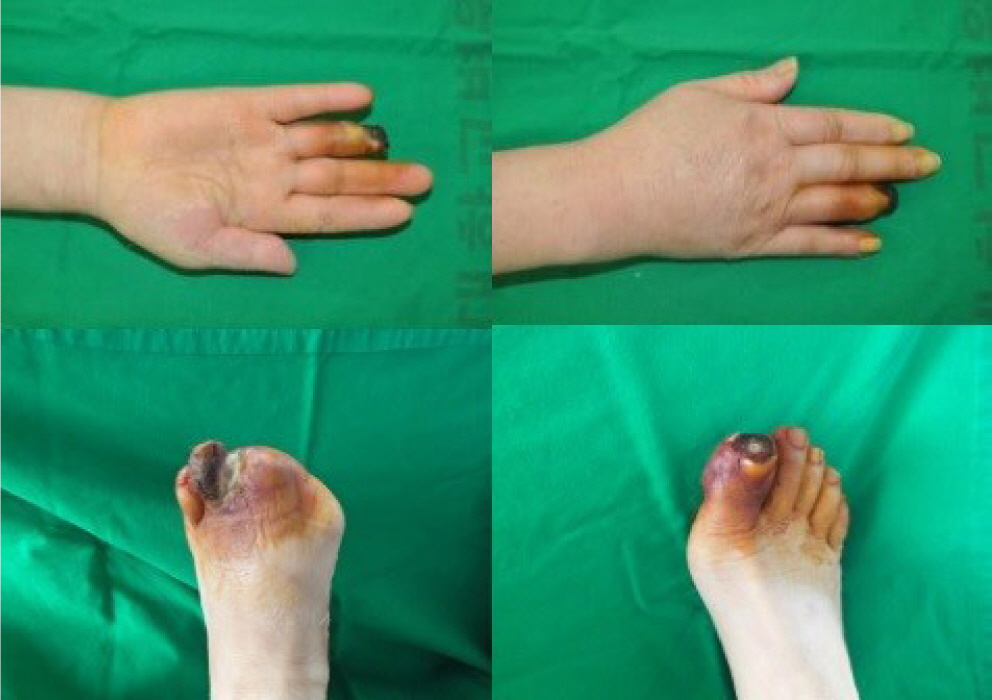
Symmetrical peripheral gangrene is a severe condition marked by symmetric acral necrosis without obstruction of the major blood vessels. This case report examines the critical decisions involved in choosing between early and delayed amputation, as well as determining the extent of the necessary amputation. We present three cases: one involving antiphospholipid syndrome, another with disseminated intravascular coagulation, and a third associated with diabetes mellitus. All three cases ultimately required amputation due to symmetrical peripheral gangrene. In the first two cases, amputation was delayed, which is typically advantageous as it allows for the clear demarcation of necrotic tissue. However, in the third case, where infection was evident, immediate amputation was necessary despite the patient's overall poor health.
 , Zekeriya Temircan
 The present study aims to examine the frequency of sleep disorders and the level of sleep quality, as well as their relationship with health-related quality of life in cancer patients.
This multi-center cross-sectional survey included 333 cancer patients ranging in age from 16 to 72 years, between June 15, 2017, and August 30, 2018 at the Ankara Oncology Hospital and Erciyes University Kemal Dedeman Oncology Hospital Polyclinic. Data were collected via various surveys conducted through face-to-face interviews, including following measurement tools: Short Form 36 Health Questionnaire, the Pittsburgh Sleep Quality Index, the Epworth Sleepiness, and the Berlin Sleep Questionnaire for obstructive sleep apnea. Face-to-face interviews were carried out with patients who presented for an initial examination or follow-up and were awaiting their appointments.
The most commonly reported sleep disorders were daytime sleepiness (36.9%), sleep respiratory disorders (34.8%), insomnia (29.4%), and parasomnias (28.8%). Good sleepers were found to have significantly higher physical (40.20±10.08 vs. 33.21±8.06; P<0.001) and mental component scores (43.54±8.25 vs. 38.20±7.52; P<0.001) than poor sleepers. Conversely, individuals with insomnia (P<0.01), daytime sleepiness (P<0.001), sleep-respiratory disorders (P<0.05), and bruxism (P<0.001) showed significantly lower scores in both physical and mental components. Additionally, those with restless legs syndrome had a significantly lower physical component score (P<0.001), and those with parasomnias had significantly lower mental component scores.
Cancer patients exhibited moderate average sleep quality scores, with over half of them demonstrating low quality sleep patterns. Sleep disorders significantly impacted their health-related quality of life.
Citations
Endocrine tumor syndromes constitute a group of disorders characterized by tumors in hormone-producing tissues. These conditions predominantly affect younger patients and often have a familial inheritance. Advances in molecular genetics in recent decades have facilitated the identification of several genes associated with these tumors. The recent World Health Organization classification of adrenocortical tumors integrates the latest developments in pathology, oncology, and molecular biology. In addition, this updated classification includes adrenal cortical diseases based on an understanding of germline susceptibility to these conditions and their clonal-neoplastic nature. Catecholamine-secreting tumors, including pheochromocytoma and paraganglioma, have been found to have a genetic predisposition in as many as 80% of cases. Compared to sporadic cases, endocrine tumor syndromes are more likely to present bilaterally and show synchronous or metachronous disease. This highlights the critical need for early diagnosis, intervention, and ongoing surveillance. This review focuses on the clinical manifestations and genetic basis of endocrine tumor syndromes originating from the adrenal glands.
Citations
, Ji Eun Moon, Yeo Jin Jung, Young Ae Yu Prader-Willi syndrome (PWS), which is considered the most common genetic form of obesity, results from the absence of imprinted genes in the paternally derived PWS critical region located on chromosome 15q11.2−13. Infants with PWS exhibit poor sucking, neonatal hypotonia, and delayed motor milestones. These patients begin to experience hyperphagia and obesity from 2 to 3 years of age. PWS is a multisystemic disorder, and its clinical manifestations include developmental delay/intellectual disability, behavioral problems, dysmorphic facial features, short stature, scoliosis, and endocrine abnormalities such as hypogonadism, growth hormone deficiency, hypothyroidism, and central adrenal insufficiency. Although the underlying mechanism of hyperphagia is not completely understood, hypothalamic and endocrine dysregulation is believed to be responsible for the lack of satiety and abnormal food-seeking behaviors that lead to severe obesity. The management of PWS requires a multidisciplinary team approach. Early diagnosis and comprehensive early intervention are essential to prevent the development of obesity-related morbidities, including metabolic syndrome, diabetes mellitus, obstructive sleep apnea, respiratory failure, pulmonary hypertension, and cardiovascular complications. Although several clinical trials have been conducted on the pharmacologic treatment of obesity in PWS, no drugs have demonstrated a consistently beneficial effect to date. Nevertheless, ongoing research efforts should be directed toward understanding the mechanism of the unique obesity phenotype of PWS and developing pharmacological therapies.
Citations
, Sung Yoon Cho Prader-Willi syndrome (PWS) is a neurodevelopmental disorder caused by the absence of paternally expressed imprinted genes on chromosome 15q11–13. Individuals with PWS typically experience feeding difficulties and a lack of appetite in infancy, followed by weight gain, uncontrolled appetite, and a lack of satiety. Hyperphagia in PWS is exacerbated by impaired satiety, low energy expenditure, and intellectual difficulties, including obsessive-compulsive disorder and/or autistic behaviors. Without rigorous external management of their eating behaviors, patients with PWS become severely obese and are at a higher risk of obesity-related morbidities, such as type 2 diabetes, obstructive sleep apnea, and hypertension. Moreover, the main causes of death for PWS are obesity-related comorbidities, such as renal failure, pulmonary embolism, and respiratory and heart failure. Clinical experiences with different supplements, diets, and other methods have not been encouraging. However, therapeutic options for patients with PWS may be improving, based on recent clinical trials for a number of medications. This report reviews the causes and management of hyperphagia, as well as previous and recent clinical trials aimed at treating hyperplasia in PWS. We are optimistic that the novel treatments currently in development will help alleviate the complex metabolic issues associated with PWS.
Citations
, Jaehyun Kim Endocrine causes of pediatric hypertension are relatively rare but important because of their distinct treatment options. Adrenal diseases accompanied by an excess of mineralocorticoids, glucocorticoids, and catecholamines are major causes of endocrine hypertension. Typical causes of mineralocorticoid-related hypertension include primary aldosteronism, congenital adrenal hyperplasia (11β- and 17α-hydroxylase deficiencies), and apparent mineralocorticoid excess. Cushing syndrome and pheochromocytoma/paraganglioma are the primary causes of glucocorticoid- and catecholamine-related hypertension, respectively. This review provides an overview of the diagnostic evaluations, including hormonal assays and imaging studies, used to identify the underlying causes of pediatric endocrine hypertension, focusing on adrenal disorders. It presents details regarding the major adrenal disorders and recommended therapeutic approaches, emphasizing the importance of early detection and disease-specific management to prevent cardiovascular and metabolic complications in affected children.
Citations
, Young Dae Jeon Pain originating from the elbow can be due to issues affecting the joint itself or the structures surrounding it. These structures include the medial and lateral epicondyles, associated ligaments, the origins of wrist flexor and extensor muscles, the olecranon bursa, the distal biceps tendon, and the radial and ulnar nerves. Pain that appears to originate from a different location may actually be referred pain, potentially stemming from the neck (cervical radiculopathy) or the shoulder. Among complaints related to the elbow, lateral elbow pain is the most frequently reported. This pain could originate from the lateral epicondyle, the radiohumeral joint, or it could be referred pain from other areas. Medial elbow pain is the second most common complaint, often resulting from issues with the medial epicondyle or the ulnar nerve as it travels through the cubital tunnel. The biceps tendon is frequently the cause of anterior elbow pain. Patients who report swelling in the elbow are often experiencing olecranon bursitis. These conditions can often be effectively managed through conservative treatment. The aim of this article is to provide a structured approach to addressing patients with elbow pain, by detailing the common causes of such discomfort and exploring effective nonsurgical treatment options.
Metabolic syndrome (MetS) is a cluster of metabolic abnormalities that include hypertension, altered glucose metabolism, dyslipidemia, and abdominal obesity and is strongly associated with an increased risk for diabetes and cardiovascular disease onset in obese adults and children. A progressively greater number of children and adolescents are being affected by this syndrome due to the constant increase in the prevalence of obesity. Like obesity, childhood MetS highly tracks to adulthood. The pathogenesis of MetS includes the interaction between obesity, insulin resistance, and inflammation. Early diagnosis and intervention are important in order to conduct lifestyle modification. In this article, we review the definition and pathophysiology of MetS, the importance of screening, and prevention and treatment options for MetS in childhood.
Citations
Low anterior resection syndrome (LARS) is a condition of anorectal dysfunction that occurs frequently following anal sphincter-preserving surgery for rectal cancer and can reduce the quality of life. In this review, we summarize the main symptoms and pathophysiology of this syndrome and discuss the treatment approaches. Early evaluation and initiation of appropriate treatment postoperatively are crucial. The most frequently used tool to evaluate the severity of LARS is the LARS score, and an anorectal manometer is used for objective evaluation. LARS is believed to be caused by multiple factors, and some of its causes include direct structural damage to the anal sphincter, damage to the innervation, loss of rectoanal inhibitory reflex, and decreased rectal volume and compliance. Diet modifications, medications, pelvic floor muscle training and biofeedback are the primary treatments, and rectal irrigation can be added as a secondary treatment. If LARS symptoms persist even after 1 to 2 years and significantly reduce the quality of life, antegrade irrigation, sacral nerve stimulation or definitive stoma may be considered. High-quality evidence-based studies on LARS treatment are lacking, and randomized controlled trials aimed at developing severity-based treatment algorithms are needed.
Citations
Small-for-size syndrome (SFSS) is a critical complication of partial liver
transplantation, particularly in adult-to-adult living donor liver
transplantation (ALDLT) using a small graft. Minimally required liver graft size
for a successful ALDLT is classically 40% of a standard recipient’s liver
volume or 0.8% of recipient body weight. Recent progress in perioperative care
and technical improvement push the lower limit of safe graft size to 25% of the
recipient’s standard liver volume or 0.6% of the graft versus recipient
weight ratio although this is an ongoing debate. The clinical manifestations of
SFSS include various symptoms and signs related to graft dysfunction and portal
hypertension in patients with small grafts. The risk factors for SFSS include
poor preoperative patient condition, including portal pressure, surgical
techniques to reduce portal pressure, and graft quality and size. Hence, various
approaches have been explored to modulate inflow and pressure to a small graft
and to decrease the outflow block to alleviate this SFSS as well as the
selection of a patient and graft. Additionally, recent research and efforts to
prevent and treat SFSS are reviewed.
 , Nadhum Abdulnabi Awad, Amel Hussein Mohammed
 We aimed to evaluate the effect of insulin resistance (IR) on serum Intelectin-1 and endocrinological hormones levels in obese and non-obese women with and without polycystic ovary syndrome (PCOS) in Basrah, Iraq.
From 124 women volunteers, 60 patients with primary and 64 patients with secondary, while 56 normal ovulatory women were taken as controls. Their fasting insulin hormone, intelectin-1, anti-Mullerian hormone, luteinizing hormone (LH), follicle stimulating hormone (FSH), prolactin (PRL), estradiol (E2) and testosterones (T) were determined by ELISA methods. BMI, glucose and quantitative insulin sensitivity check index as well as IR was determined by the homeostasis model assessment.
A significant changes (P<0.05) were seen in the level of homeostasis model assessment-IR, E2 and T. Levels of anti-Mullerian hormone, LH, LH/FSH ratio and prolactin were significantly (P<0.01) increased and level of intelectin-1 and E2/T ratio were significantly (P<0.01) decreased, while quantitative insulin sensitivity check index level was not significantly different (P>0.05) between the patients (1°PCOS and 2°PCOS) and control groups. On the other hand, our data reported that FSH level was significantly (P<0.05) lower in obese and higher in non-obese patients with PCOS as compared to control group.
Levels of intelectin-1 and endocrinological hormones have significantly associated with body mass index, IR and physical activity in patients and normal groups and the strategies that can modulate levels of these parameters would improve metabolic disarrangements in women with PCOS.
Citations
, Jae Hee Woo, Chi Hyo Kim, Eun Hee Chun, Hee Jung Baik, Min Hee Choi Patients with Klippel-Feil syndrome require much attention during anesthesia because of congenital abnormalities in head and neck regions and the high probability of neurological damage from cervical spine instability during endotracheal intubation. We report a case of successful endotracheal intubation using a videolaryngoscope in a patient with Klippel-Feil syndrome who experienced difficult transnasal intubation.
Citations
, Yi Kyung Kim, Ji Eun Ban, Sejung Sohn, Young Mi Hong Adenovirus infection, which has been known to mimic Kawasaki disease (KD), is one of the most frequent conditions observed during differential diagnosis when considering KD. Accordingly, it is essential to being able to differentiate between these two diseases. Therefore, we performed multiplex reverse transcriptase- polymerase chain reaction and tissue-Doppler echocardiography to distinguish between adenovirus patients and KD patients.
A total of 113 adenoviral infection patients (female 48, male 65) diagnosed from January 2010 to June 2016 were evaluated. We divided adenoviral infection patients into two groups: group 1, which consisted of individuals diagnosed with KD according to the KD American Heart Association criteria (n=62, KD with adenovirus infection); and group 2, which comprised individuals only diagnosed with adenovirus infection (n=51). Laboratory data were obtained from each patient including N-terminal pro-brain natriuretic peptide. Echocardiographic measurements were compared between two groups. In addition, reverse transcriptase-polymerase chain reaction was performed using nasopharyngeal secretions to diagnose adenoviral infection.
Conjunctival injection, cervical lymphadenopathy, polymorphous skin rash, abnormalities of the lip or oral mucosa and abnormalities of extremities were significantly higher in group 1 than group 2. Moreover, group 1 had significantly higher C-reactive protein and alanine aminotransferase levels, as well as lower platelet counts and albumin levels than group 2. Coronary artery diameter was significantly greater in group 1 than group 2.
In patients with adenoviral infection with unexplained prolonged fever, echocardiography and C-reactive protein can be used to differentiate KD with adenoviral infection from adenoviral infection alone.
, Seon-Yi Lee, Daeun Ko, Junbeom Park, Sowoon Ahn, Chunghyun Park Brugada syndrome is an arrhythmic syndrome characterized by right bundle branch block, ST segment elevation in the precordial lead (V1-V3), and sudden death caused by ventricular fibrillation, which is not effectively prevented by anti-arrhythmic drug therapy. We are reporting a 30-year-old male patient with Brugada syndrome who got an exploratory laparotomy and a tenorrhaphy due to stab wound which was managed with general anesthesia and brachial plexus block without any complications.
Microorganisms coexist in the human body and its function is essential to maintain normal physiology and homeostasis. Microbiota refers to the entire population of microorganisms that colonizes a particular location; includes not just bacteria but also other microbes. Gut microbiota is vast and complex. It could be changed dynamically according to the variable factors. Well balanced host-microbial symbiotic state is a harmonious ecosystem in the stable individual. But, dysbiosis is a state of deviation in composition or function from the usual gut microbiota. It has been found that this condition is associated with many gastrointestinal, metabolic, allergic and the other diseases. Dysbiosis plays an important role in the pathophysiology of functional bowel disease, such as irritable bowel syndrome and functional constipation. Probiotics is microorganism which, when administrated in adequate amounts, confer a health benefit on the host. Probiotics have beneficial effects to reduce several symptoms of functional bowel diseases. Currently, complementary and alternative medicine therapies with probiotics is recommended for symptomatic relief from functional bowel disease.
, Yoon Suk Lee, Sang Won Lee, Sejung Sohn, Young Mi Hong Kawasaki disease (KD) is the self-limited and multisystem vasculitis which accompanies many complications. Ophthalmic findings in KD are bilateral conjunctival injection, iridocyclitis, superficial keratitis, vitreous opacities and subconjunctival hemorrhage. Optic disc swelling is a rare ophthalmic complication in KD. We describe a 3-year-old boy who presented with 7 days of fever, both conjunctival injection without discharge, and right cervical lymph node enlargement of more than 1.5 cm. He was diagnosed as incomplete KD. He had no ocular symptom except bilateral conjunctival injection. On ophthalmic examination, he was diagnosed by anterior uveitis with optic disc swelling. The brain magnetic resonance imaging was performed and revealed no evidence of increased intracranial pressure. Echocardiography revealed the dilated right coronary artery up to 3.4 mm. Fever subsided and optic disc swelling was completely improved after intravenous immunoglobulin (2 g/kg) treatment. Optic disc swelling is a rare ophthalmic complication in KD.
Citations
, Han Ju Moon, Jin Seo Kim, Hong Il Kim, Cheol Hyeon Kim, Min Joo Kim Insulin autoimmune syndrome, a rare cause of endogenous hyperinsulinemic hypoglycemia, is characterized by insulin autoantibody, hyperinsulinemia and fasting hypoglycemia. It is well known that drugs containing a sulfhydryl group such as methimazole or α-mercaptopropionyl glycine can induce insulin autoimmune syndrome. However, insulin autoimmune syndrome caused by anti-tuberculosis treatment is very rare. We report a case of insulin autoimmune syndrome after anti-tuberculosis treatment with a review of the relevant literature.
Citations
, Jun Hyung Park, Da Hee Kim, Hyung Young Kim, Sang Hyun Kim, Won Do Park A 37-year-old male patient was admitted with generalized edema as the main symptom. A blood test confirmed hypoalbuminemia and hyperlipidemia, and a urine test confirmed severe albuminuria. A renal biopsy was conducted, which revealed a diagnosis of minimal change disease. Although the patient experienced complete remission of minimal change nephrotic syndrome after oral prednisolone and cyclophosphamide treatment, he is readmitted due to bilateral leg edema 5 years later since minimal change nephrotic syndrome was completely cured. The patient is diagnosed with IgA nephropathy. Although the exact mechanisms of IgA nephropathy in this patient remain unclear, this case represents an extremely rare development, and is separate from the remission of minimal change nephrotic syndrome.
Citations
Despite recent advances in the development of diagnostics, therapeutics, and vaccines, the ease of international travel and increasing global interdependence have brought about particular challenges for the control of infectious diseases, highlighting concerns for the worldwide spread of emerging and reemerging infectious diseases. Korea is also facing public health challenges for controlling imported cases of infectious diseases; dengue virus, which is the most commonly reported case of imported infectious diseases; the largest outbreak of Middle East respiratory syndrome coronavirus infections outside the Arabian Peninsula in 2015; and the Zika virus infection, which was declared by the WHO as a "Public Health Emergency of International Concern." Although national and global partnerships are critical to controlling imported infectious disease threats, the role of local hospitals, public health sectors, and laboratory capacity remains the cornerstone for initial disease recognition and response. The current status of laboratory diagnosis for imported infectious diseases is reviewed.
Citations
, Hyun Joo Song, Min Jung Kim, Weon Young Chang, Bong Soo Kim, Chang Lim Hyun Solitary rectal ulcer syndrome (SRUS) is a rare benign and chronic rectal disease that has a wide spectrum of clinical presentations and variable endoscopic findings. It is usually diagnosed by histopathological examination through biopsy. A 68-year-old man was referred to our hospital with anal pain and difficulty on bowel movement. Colonoscopy showed a hemorrhagic ulcerated mass in the rectum. All radiologic findings such as abdominopelvic computed tomography (CT), positron emission tomography-CT and magnetic resonance imaging were suspicious of rectal cancer. Although the patient underwent repeat endoscopic biopsy and one surgical biopsy, the results were not indicative of malignancy. Two months after conservative management, clinical symptoms and colonoscopic findings were markedly improved. Thus, we report this rare case of a 68-year-old man who had a central ulcerated mass that mimicked rectal cancer on gross colonoscopic and radiologic findings, representing an SRUS variant.
Citations
, Seok Ho Seo, Seung Hyun Lee, Dae Won Park, Dong Goo Kang, Seung Uk Lee Stress-induced cardiomyopathy, so-called Takotsubo cardiomyopathy, has recently been reported in Japan. Stress-induced cardiomyopathy is characterized by transient left ventricular apical dysfunction and ballooning, with normal coronary angiographic findings. We describe a rare case of stress-induced cardiomyopathy associated with lung adenocarcinoma presenting as hyponatremia.
Citations
, Sung Jin Kim, Ji Hei Cha, Seung Joo Lee, Sejung Sohn Influenza virus infection is a common respiratory disease in children. Renal complications of influenza infection were not commonly encountered until the 2009 H1N1 influenza pandemic, when acute kidney injury (AKI) frequently developed in severely ill patients. Kawasaki disease (KD) is another rare association in pandemic influenza virus infections. There are some reports about KD coincident with influenza A H1N1/09 infection. However, simultaneous AKI and KD in influenza A or B virus infections have never been reported. Herein, we report the first case of influenza B virus infection that initially presented as AKI but was subsequently diagnosed as atypical KD.
, Won Hee Yoon, Hyum Sook Kim, Mi Young Park, Young Ju Kim, Jung Ja Ahn, Bock Hi Woo Down syndrome is the most common autosomal abnormality disease which has multiple congenital anomalies, occurring in 1 of every 800 liveborn infants. Neonates who are affected with this disease comprise majority of the mentally retarded children. To prevent the birth of this congenital anomaly, prenatal diagnosis of Doen syndrome is important. We experienced a case of Down syndrome, diagnosed by fluorescence in situ hybridization(FISH) in pregnancy for 15 weeks 6 days. We report here eith a brief review of the literatures.
, Jeong Yoon Yim, Sung Kee Ryu, Hong Keun Cho, Si-Hoon Park, Gil Ja Shin The pacemaker syndrome is a complex of clinical signs and symptoms related to the adverse hemodynamic and electrophysiologic consequence of ventricular pacing in the absence of other cause.
The following illustrates a case of pacemaker syndrome proven by cardiac catheterization. A 64-year-old female patient who had been previously managed with single chamber pacemaker(VVI mode) due to sick sinus syndrome, suffered from chest discomfort, headache, dizziness, lightheadedness.
We thought that she suffered from pacemaker syndrome and changed single chamber pacing to dual chamber pacing. At that time we performed cardiac catheterization perioperatively.
Pulmonary capillary wedge pressure, amin pulmonary arterial pressure, right atrial pressure and right ventricular pressure were normalized after the change and she didn't feel any symptoms.
We investigated the prevalence of bronchial hyperreactivity and atopic state in patients with chronic cough to see the cause and clinical significance of those factors in chronic cough.
We studied 92 individuals who had presented with paroysmal cough over 3 weeks without dyspnea or wheezing. Methacholine bronchial provocation test and allergic skin test with paranasal sinus X ray, symptoms, serum lgE levels and peripheral eosinophils were measured and analyzed.
1) Forty eight percent of patients showed positive hyperreactivity to methacholine provocation, 11 percent had postnasal drip syndrome and 9 percent had both of them, Three precent of patients were thought to have gastroesophageal reflux. However 29% has do specific causes for their cough.
2) Forty four percent of patients were atopic patients and others were non-atopics. There were no significant differences of symptom score, serum lgE levels and peripheral eosinophil count between the two groups.
3) Sixty two percent of atopic patients and 40 percent of non-atopic patient were cough variant asthma with positive reaction to methacholine provocation test. However there was no significant difference of mean PC20 of methacholine between the two group.
These results indicated that airway responsiveness and atopic started are important factors for chronic cough. However they were not predictable on the basis of clinical and ordinary laboratory findings.
, Jae-Doo Yoo The cause of carpal tunnel syndrome is the compression of median nerve at the carpal tunnel. Surgical release of transverse carpal ligament is indicated if symptom persists in spite of conservative treatment. Release of transverse carpal ligament without neurolysis is sufficient to relieve the symptom. Several methods of endoscopic treatment have developed and the good results were reported. We reported the results of 13 cases treated with endoscopic carpal tunnel release in 12 patients from March 1995 to July 1996. Eleven cases treated with one portal technique(Agee) and 2 cases treated with two incision technique(Chow). Average follow-up period is 11months(4-19 months). Average age was 48.5(35-56)years old. There were 11 women and 1 male. Average duration of symptoms before the operation was 9 months. According to Cseuz's creiteria, excellent results was obtained in 77% of patients. Tingling sensation dimnished within 24 hours after operation in six patients. Two thenar atrophy didn't recovered at 8 months after operation. Three scar tenderness occured. Relief of symptom was achieved quickly when endoscopic method was used but several technical pitfall must be avoided.
, Mi Seung Shin, Duk Hee Kang, Gue Bock Choi, Kyun Il Youn The adult polycystic kidney disease(APCK) is inheritant disease in which cysts aredistributed throught the cortex and medulla of both kidneys. The disease process is usually notclinically apparent until the third or fourh decade of life. Mild persistent proteinuria(> 200mg/d) can be developed in 20% to 40% of cases, but nephrotic-range proteinuria is rare and whenfound, should prompt a search for the other concomitant renal disorder, such as IgA nephropathy, rapidly progressive glomerulonephropathy, focal glomerulosclerosis.
We report a case of APCK presented with nephrotic syndrome. A 76-year-old man was admitted due to generalized edema with weakness. The blood pressure was120/80mmHg. The BUN/creatinine were 15/1.2mg/dl, serum albumin 2.9g/dl, cholesterol / triglyceride 432/273mg/dl, total urinary protein excretion 8.41g/day.
The serum level of IgG, IgAS, IgM, C3, C4 were within normal range and anti-nuclear antibody and anti-double strand DNA antibody were also negative. The abdominal ultrasonography and computerized tomography revealed multiple large cysts in both kidneys.The patient was treated with Enalapril®, an angiotensin converting enzyme inhibitors, 5mg forcontrol of proteinuria.
The APCK presented with nephrotic syndrome is rare and to our knowledge,this is a first report in Korea.
The present study was conducted to compare the MMPI profile of 29 Posttraumatic StressDisorder patients with 25 Organic Brain Affective or Personality Disoder patiene who were admitted to Ewha Womans University Hospital from March to August of 1995. MMPI-R(Minnesota Multiphasic Personality Inventory), consisted of 556 items and of the revised standard form, was administered to the subjects. No significant difference was found between thetwo groups in age, sex, and education level.
Results of the present study were as follows :
1) Two subgroups were formed as a result of multivariate cluster analysis of T scores of allMMPI scales from the Posttraumatic Stress Disorder group. The first sub-group (N=22) showed moderate high socre on 3-1-2, 7-8 scales. The second sub-group (N=7) presented severehigh score on F validity scale and all clinical scale exept 5 scale so the t scores of 8-6-7,1-2-3-4scales were within 65-80.
2) Two subgroups were formed as a result of multivariate cluster analysis of T scores of allMMPI scales from the Organic Brain Affective or Personality Disorder group. The first subgroup (N=8) gave mild high score on K scale and on no clinical scales. The second sub-group(N=17) presented moderate high score on F scale and on 1,2,3,6,7,8 scales.
3) Exept for the defensive groups, it was found that F,6 scales and 3 scale were useful to differntiate the Posttraumatic Stress Disoders from the Organic Brain Affective or Personality Disorders.
4) The results suggest that MMPI is useful to differentiate the Posttraumatic Stress Disodersfrom the Organic Brain Affective or Personality Disorders.
Immunoglobulin A nephropathy(IgA nephropathy) Is one of the most prevalent glomerulonephritis in Korea, and nearly one third of them progress to end stage renal disease(ESR:D) over 20 to 30 years. The exact pathogenesis and therapeutic modality to inhibit theprogress of IgA nephropathy into BSRD are still uncertain in spite of lots of reports on beneficial effects of several therapeutic strategy. The present study was undertaken to know the incidence of IgA nephropathy, the mode of presentation, the characteristic pathologic findingsand the course of disease with the possible prognostic factor.
I reviewed the medical records including the pathologic reports of 37 cases of IgA nephropathy who performed renal biopsy between Jan. 1988 and Oct. 1995. The initialpresenting sypmtoms and laboratory finding, pathologic characteristic and follow-up data werealso investigated with the relationship between the initial laboratory or pathologic findings andthe deterioration of renal function.
The incidence of IgA nephropathy was 16.5%. IgA nephropathy was more prevalent in male in their 3rd decade. Gross hematuria (27%) and microscopic hematuria with significant proteinuria (24%) were the most common clinical symptoms/signs. The incidence ofneprotic syndrome among IgA nephropathy was 22%. The amount of proteinuria in total 37 subjects was 3.5±4.9g/day. Mesangial expansion (41%) and hypercellularity (41%) were themost common light microscopic finding. We couldn't find any statistically significant differencein initial blood pressure, serum creatinine and proteinuria according to the extent of mesangial IgA deposition. With the follow-up of mean duration of 22.4±0.8 months, serum creatinine increased significantly with the development of ESRD in 3 cases of subjects. These cases of ESRD all presented nephrotic syndrome initially, and did not respond to steroid therapy. The pathologic findings in 2 of them were global glomerular sclerosis and crescent formation.
IgA nephropathy is no longer the unusual and benign disease. Further prospective, controlled study is necessary to know which is the best therapeutic modality to inhibitor slow-down the progression of IgA nephropathy.
We studied the postnatal development of the renal function and the incidence of the renal dysfunction in premature with reapiratory distress syndrome, admitted to NICU, E.W.U.H. from March, 1986 to August 1989.
The results were as follows.
1) Renal function in Group I, RDS premature without perinatal asphyxia, was not different from the control values.
2) Renal function in Group II, RDS premature with perinatal asphyxia was different from the control values. Serum creatinine concentration was 1.05mg% at postnatal age 3 day and decreased to 0.88mg% at P.A 7 day. But both values were significantly higher than control values(P<0.05)
Creatinine clearance, 10.8ml/min/1.73m at P.A. 3 day which was significantly lower than control, but increased to 17.4ml/min/1.73m at P.A. 7 day which was not different from control value. Urine Na excretion and FENa were 5.2lmEg/kg/d and 3.81% at P.A. 3 day and decreaed to 3.42mEg/kg/d and 1.86% at P.A. 7 day. But both values were significantly higher than control values.(P<0.05) The incidence of proteinuria, oliguria and azotemia were significantly higher than control.(P<0.05)
In conclusion, RDS per se did not compromise the renal function. But associated perinatal asphyxia delayed the postnatal development of the glomerular function and the tubular reabsorptive capacity which seemed to be transient.
, Chung Nam Kang, Jin Man Wang, Kwon Jae Roh, Young Hun Kim Spina bifida occulta at the lumbosacral area of a growing child is often associated with a low lying spinal cord that is tethered by one or more forms of intradural abnormalities without producing overt clinical manifestation for a long time. The diagnosis therefore requires a strong clinical suspicision and aggressive investigarion. We reported one case of tethered core syndrome in spina bifida occulta woth brief review of literature.
, Sun Ho Chee The authors describe a case of syndrome of progressive bulbar palsy in amyotorphic lateral sclerosis which was diagnosed by electromyography.
Citations
The author reports a case of surgery-proved hypertrophic interstitial neuritis of cauda equina. The pathogenesis of the unique myelographic findings is described and illustrated. SUMMARY A case of surgery-proved hypertrophic interstitial neuritis of cauda equina is reported. The unique myelographic findings are illustrated. To the author's knowledge, no other condition produces these abnormalities.
, Chang-Yun Yoon, Seung Gyu Han, Eunyoung Lee, In Mee Han, Moon Sung Woo, Se Hee Park, Tae-Hyun Yoo A 54-year-old man was diagnosed as syndrome of inappropriate secretion of antidiuretic hormone (SIADH) 7 days after lung transplantation, whereas the preoperative serum sodium level was normal. Hypertonic saline infusion with furosemide did not improve hyponatremia, however, tolvaptan corrected his serum sodium levels from 123 mEq/L to 131 mEq/L. Seven days after maintenance of tolvaptan, this drug was discontinued and hyponatremia did not occur. Herein, we report a case of SIADH after lung transplantation treated with tolvaptan.
, Hyun Joo Song, Soo Young Na, Sun Jin Boo, Heung Up Kim, Seung Hyoung Kim Gastric emphysema is caused by a mucosal disruption of stomach, which is leading to the dissection of air into the wall. A 24-year-old man admitted to our hospital with vomiting, abdominal distension, and pain. Abdominal computed tomography showed severe gastric distension, air within the gastric wall, and a compressed third segment of the duodenum by superior mesenteric artery (SMA). The upper endoscopy revealed multiple geographic ulcers in the gastric body and marked dilatation of the second segment of duodenum and a collapsed third segment. Based on these findings and his symptoms, the patient was diagnosed as having gastric emphysema related with SMA syndrome. He improved after the nasogastric decompression, jejunal feeding and administration of antibiotics. We report a rare case of gastric emphysema related with SMA syndrome. He was managed successfully with medical treatment and nutritional support.
Citations
, Hyo-Ju Ham, Kwan-Yong Lee, Ji-Woong Roh, Jin-Sok Yu, Woo-Baek Chung Early repolarization is a common electrocardiographic (ECG) feature found in young adults, men and athletes, and has been considered to be a benign feature for the last several decades. But recent studies suggest that early repolarization may be related to idiopathic ventricular fibrillation and sudden cardiac death. We report a young man, 35 years old, who had life threatening ventricular fibrillation and sudden cardiac arrest. He was evaluated for cardiac causes of ventricular fibrillation. There was no explanation other than that his ECG showed an early repolarization pattern so we treated him with implantable cardioverter defibrillator. Thus, we suggest that early repolarization may be related with life threatening ventricular arrhythmia.
, Seung-Sin Lee Obstructive sleep apnea syndrome (OSAS) is caused by repetitive upper-airway narrowing or collapse during sleep resulting in hypopneas and apneas. When a patient is diagnosed of OSAS with polysomnogram, he/she should receive upper airway evaluation to find the narrow site. The anatomic narrow site can be nasal cavity, nasopharynx, oropharynx, and/or hypopharynx. Surgical treatment for OSAS should be tailored to the anatomic narrow site. In this article, the authors describe surgical treatment options for OSAS.
, Hye-Kyung Jung, Mi Yeon Kim, Min Sun Ryu, So Young Ahn, Hyoung Won Cho, In Sook Kang, Seong Eun Kim Antiphospholipid antibody syndrome (APS) is characterized by raised levels of antiphospholipid antibodies (aPL), in association with thrombosis, recurrent fetal loss, and thrombocytopenia. Development of APS is related with idiopathic origin, autoimmune disease, malignancy and, on rare occasions, infection. However, in secondary APS combined with bacterial infections, aPL is usually shown with low titer and rarely associated with thrombotic events. A 52-year-old male was admitted due to pneumonia and multiple hepatosplenic abscesses. He had been treated with proper antibiotics, but he presented ascites and sudden variceal bleeding because of portal vein thrombosis. The bleeding was controlled by endoscopic variceal ligation. Acute portal vein thrombosis was successfully managed by low molecular weight heparin and hepatosplenic abscesses were completely resolved by antibiotics. This case suggests that systemic bacterial infection in immunocompetent patients possibly develops into secondary APS.
, Jeong-Mi Lee, Ja Yoon Choi, Dong-Hoon Lew, Ra Ri Cha, Hye Won Oh, Hong-Jun Kim, Hyun Ju Min, Hyun Jin Kim, Woon-Tae Jung, Ok-Jae Lee, Chang Yoon Ha, Sun Young Yi Transcatheter arterial chemoembolization (TACE) has become an effective alternative treatment strategy for patients with inoperable hepatocellular carcinoma (HCC). Although TACE is relatively safe, acute respiratory distress syndrome associated with pulmonary lipiodol embolism is a rare and potentially fatal complication. We report a rare case of acute respiratory distress syndrome after TACE for inoperable HCC. A 75-year-old man, with huge HCC in right lobe, was treated by TACE for the first time. Seven hours after uneventful TACE procedure, he felt dyspneic and his oxygen saturation recorded by pulse oximetry (SpO2) fell to 80% despite of applying non-rebreathing mask. He underwent mechanical ventilation with a protective ventilatory strategy. We experienced a case of acute respiratory distress syndrome after TACE for HCC.
, Yusun Hwang, Yeung Chul Mun, Chu Myong Seong, Wha Soon Chung, Jungwon Huh Trisomy 22 is closely associated with inv(16) or t(16;16) and could be a marker of cryptic rearrangement of
, Hye-Kyung Jung The Korean version of Bowel disease questionnaire (BDQ-K) was developed to evaluate the symptom items required to meet the definition of functional gastrointestinal disorders (FGIDs). We evaluated the test-retest reliability and validity of the self-reported BDQ-K and prevalence of functional dyspepsia (FD) and irritable bowel syndrome (IBS) according to the Rome-III criteria.
Sixty-nine patients participated in the test-retest reliability study, with a two week interval, and another 74 patients were enrolled to assess the self-reported questionnaire versus a doctor's interview (concurrent validity). A total of 3,325 subjects (mean age, 44±9 yrs; 58.3% male) presenting for an upper endoscopy responded to the BDQ-K at a health promotion center, but 797 subjects with organic diseases were excluded.
In the validity study of the BDQ-K, the median kappa value was 0.74 (0.36~1.0). The median kappa value for the test-retest was 0.56 (range 0.22~1.0), including abdominal pain (κ=0.51, P<0.001), pain onset before 6 months (κ=0.51, P<0.001), epigastric pain (κ=0.69, P<0.001), early satiety (κ=0.40, P<0.001), and postprandial fullness (κ=0.34, P<0.001). The prevalence of FD was 8.3% (209/2,528); epigastric pain more than once a week 4.4%, early satiety 2.5%, and postprandial fullness 6.1%. FD was more prevalent in women (P=0.001). The prevalence of IBS was 6.1% and IBS also predominated in women (7.1% vs 5.1% in men, P=0.032).
The BDQ-K is a reliable and valid instrument for identifying FGIDs. The prevalence of FD according to the Rome III criteria was 8.3% and that of IBS was 6.1%.
Citations
, Hyejin Lee, Yeon-Ah Sung Insulin resistance is a major pathophysiology in polycystic ovary syndrome (PCOS), and assessment of insulin sensitivity is important. Various insulin sensitivity indices from fasting state or oral glucose tolerance test (OGTT) have been compared with euglycemic hyperinsulinemic clamp. We aimed to evaluate the usefulness of these indices in young Korean women with PCOS.
Euglycemic hyperinsulinemic clamp test and 75 g OGTT were performed in 290 women with PCOS. Insulin mediated glucose uptake (IMGU), the insulin sensitivity index from clamp, was compared with various insulin sensitivity indices such as composite insulin sensitivity index (ISIcomp), estimated metabolic clearance rate (MCRest) of glucose and estimated insulin sensitivity index (ISIest), area under the curve of glucose and insulin ratio (AUC-GIR), OGTT-derived Belfiore index, and oral glucose insulin sensitivity index (OGSI) by Kazama. Fasting state indices such as glucose insulin ratio (GIR), homeostasis model assessment for insulin resistance (HOMA-IR), fasting Belfiore index, and quantitative insulin sensitivity check index (QUICKI) were also compared with IMGU.
The correlation coefficients of ISIcomp, MCRest, ISIest, AUC-GIR, OGTT-Belfiore index, and OGSI with IMGU were all about 0.5 (Ps'<0.001) in PCOS women as a whole. The MCRest and ISIest were significantly correlated with IMGU in both obese (r=0.58 and 0.58, P<0.0001) and non-obese subjects (r=0.33 and 0.32, P<0.001). Fasting glucose and insulin-derived indices showed worse correlation with IMGU than OGTT-derived ones.
The MCRest and ISIest from OGTT might be the best replacement for the insulin sensitivity index from hyperinsulinemic euglycemic clamp independent of obesity.
Citations
, Chang Yoon Ha, Hyun Jeong Jang, Eun Young Yun, Ji Hyun Ju, Yeon Jeong Ahn, Hyun Ju Min, Tae Hyo Kim, Hyun Jin Kim, Woon Tae Jung, Ok Jae Lee, Sun Young Yi A 55-year-old man was admitted to our hospital with symptom of fever, chilling, abdominal discomfort and weight loss for 2months. Abdominal computed tomography(CT) revealed a 5×3.75 cm sized low attenuated lesion in the left lateral segment of liver. Esophagogastrodedodenoscopy showed a fistula with dirty exudates at the fundus and a yellowish stone and food debris at the choledochoduodenostomy site. Endoscopic retrograde cholangiopancreatography (ERCP) was performed and stone and food materials in common bile duct was removed with snare and basket. We experienced a case of liver abscess due to sump syndrome and spontaneous drainage to the stomach.
, In Jeong Cho, Seung Hyun Yoo, Mina Yu, Dong Ryeol Ryu, Seung Jung Kim, Duk Hee Kang, Kyu Bok Choi, Kyun Il Yoon, Sun Hee Sung A unique type of rapidly progressive interstitial fibrosis of the kidney, the Chinese Herb Nephropathy (CHN) has been reported in Belgian woman after intake of Chinese herbs. CHN contains several characteristics that include variable clinical features from progressive renal failure to Fanconi's syndrome, histologic finding of extensive interstitial fibrosis, high risk of urothelial malignancy. We are reporting a case of33 year-old female patient who was diagnosed as CHN. The patient visited our hospital with symptoms of nausea. Laboratory investigation showed metabolic acidosis with normal anion gap, hypokalemia, hypophosphatemia, proteinuria, glycosuria consistent with Fanconi's syndrome. She took Chinese herbs for slimming 4 months before. Renal biopsy showed the features of tubular cell injury with interstitial edema, accompanied by interstitial fibrosis on following biopsy, compatible with Chinese Herb Nephropathy. After 5 months, her renal function was progressed rapidly, therefore peritoneal dialysis was started. This case shows that we should consider Chinese herb as a cause of renal failure.
Citations
, Jae Hun Kim, Sung Jae Park, Dong Won Byun, Duk Hee Kang, Bong Suk Shim Renal cell carcinoma can presents wide range of signs and symptoms, and commonly associated with paraneoplastic syndrome. Paraneoplastic manifestations are present in up to 20% of patients with renal cell carcinoma. There is convincing evidence that renal cell carcinoma tumor cells elaborate proteins that serve as mediators of endocrine (ex ; ectopic production of parathyroid hormone-related protein or erythropoietin) as well as nonendocrine paraneoplastic syndromes. A paraneoplastic syndrome may be the various clinical presentation of renal cell carcinoma in a significant number of patients, therefore mimicked other general disease. We report a case of renal cell carcinoma associated with paraneoplastic syndrome mimicking pyelonephritis.
, Kum-Hei Ryu, Su-Hyun Kim, Su-Jin Yoon, Do-Yeun Kim, Seock-Ah Im, Chu-Myong Seong, Heasoo Koo, Soon-Nam Lee We report a case of extensive stage SCLC with EAS confirmed by immunohistochemical stain of ACTH in tumor cells who died early due to rapidly progressive acute respiratory distress and pneumonia before the start of chemotherapy and corticosteroid blocking agent. Through our case, we learn how important early diagnosis and treatment of EAS associated with SCLC are and hope to apply to other cases from now on.
, Kyung Eun Lee , Sung-Ae Jung, Seong-Eun Kim, Jong Soo Lee, Seung Hyun Nam, Jeong Eun Shin, Hae Sung Moon, Seung Cheol Kim, Kwon Yoo In Lynch syndrome II, colon cancer was associated with endometrial and ovarian cancer. The aim of this study was an evaluation for the clinicopathologic characteristics of rectosigmoid adenomas on preoperative sigmoidoscopy in gynecologic cancer patients.
A total 187 gynecologic cancer patients(139 cervical, 35 ovarian, 13 endometrial cancer) and 58 normal controls were reviewed sigmoidscopic finding and pathologic reports retrospectively from September 1993 to March 2001.
The mean age of gynecologic cancer patients was 54(38-82) year-old and normal controls was 50(20-68) year-old. Total 26 adenomas were in 21 patients(11.2%) and 3 adenomas were in 3 normal controls(5.2%). The incidence of adenomas was 9.4% in cervical cancer, 8.6% in ovarian cancer and 38.5% in endometrial cancer. Multiple adenomas were in 5 gynecologic cancer patients and 0 normal controls. The incidence of advanced adenoma was 12.5% in cervical cancer, 25.5% in ovarian cancer, 83.5% in endometrial cancer and 33.3% in normal controls. The location of adenoma was 23.1% in rectum and 76.9% in sigmoid colon.
The incidence of adenomas and multiple adenomas were higher in gynecologic cancer patients than normal controls but not significantly. The incidence of advanced adenoma and adenomas were significantly higher in endometrial cancer than normal controls. Colonoscopic evaluation of whole colon will be recommanded in gynecologic cancer than sigmoidoscopy.
 First
First Prev
Prev